





A minor miscalculation in materials can lead to significant cost overruns and detrimental project delays. This is where material takeoff plays a crucial role as the foundation of successful project planning.
It provides the data-driven backbone for every major decision, from initial bidding to final execution. Embracing construction software and methodologies in material takeoff can transform a company’s ability to compete, deliver projects on time, and maximize profitability in an increasingly demanding market.
Therefore, viewing it as a strategic asset rather than a back-office task is essential for sustainable growth.
Key Takeaways
|

What Is Material Takeoff in a Construction Project?
Material takeoff is the systematic process of analyzing project design drawings and specifications to identify and quantify all materials required to complete a construction project.
The output of this process is a detailed list that serves as the primary basis for cost estimation, procurement, and scheduling. Its purpose is to ensure that every nail, brick, and cubic meter of concrete is meticulously accounted for, preventing significant material shortages or surpluses during the construction phase.
Why Is Material Takeoff the Foundation of Project Success?
 The importance of material takeoff extends far beyond simple quantity calculation; this process directly impacts every vital aspect of the construction project lifecycle. Here is a breakdown of why this process serves as an irreplaceable foundation for success.
1. Budget accuracy and cost estimation
This process is the starting point of all project financial planning. With an accurate, detailed material list, the team can obtain precise price quotes from suppliers, resulting in a realistic and reliable Bill of Quantities (BOQ).
According to a report by McKinsey, large projects typically take 20 percent longer to finish than scheduled and are up to 80 percent over budget, a risk that accurate takeoffs directly mitigate.
2. Efficient procurement control
The material takeoff report serves as the primary guide for the procurement team. By knowing exactly how much of each material is needed and when it is required on-site, the team can plan purchases strategically, negotiate better prices for bulk orders, and avoid expensive last-minute buys.
3. Material waste reduction
One of the most significant sources of financial loss in construction is over-ordering materials that ultimately become waste. An accurate material takeoff helps ensure the right amount of materials is ordered, including a reasonable waste factor calculation, typically 5-10% depending on the material type.
4. Basis for realistic project scheduling
Material availability is a critical factor in project scheduling. By knowing when each material is needed based on the takeoff report, project managers can develop a more realistic work schedule. This prevents downtime in which workers wait for material deliveries, a highly inefficient situation that can cause a domino effect of delays across the entire project timeline.
5. Increased transparency for stakeholders
A detailed material takeoff report provides a high level of transparency to all stakeholders, including clients, investors, and internal teams. This document clearly outlines the basis for material cost calculations, building trust and facilitating communication if design changes or budget adjustments are needed.
The Material Takeoff Process from Start to Finish
Executing a material takeoff is a methodical process that demands precision, technical understanding, and the right tools. It transforms complex design drawings into an actionable quantitative list for planning and execution.
Each step must be performed with meticulous care to ensure the final output is reliable.
1. Gathering and analyzing project documents
The first step is to collect all relevant documents, including architectural drawings, structural plans, MEP (Mechanical, Electrical, and Plumbing) diagrams, and technical specification documents.
2. Identifying and categorizing materials
Once the documents are understood, the next step is to identify all materials that need to be quantified. To maintain order, these materials are categorized based on the type of work or construction system.
3. Measuring and quantifying
This is the core of the takeoff process. Estimators use the scale on the drawings to measure dimensions such as length, width, height, area, and volume. From these measurements, the quantity of each material is calculated.
4. Applying additional factors (waste and contingency)
No construction process is perfect, and a certain amount of material will inevitably be wasted due to cutting, damage, or spillage. Therefore, after calculating the net quantities, estimators must add a realistic waste factor percentage for each material type.
5. Compiling the final takeoff sheet
All calculated data is then compiled into a structured report, commonly called a material takeoff sheet or a bill of quantities (BOQ). This report lists the description of each material item, its unit of measure (e.g., m³, m², pieces, kg), the required quantity, and often includes columns for unit price and total cost.
Material Takeoff Methods: Manual vs. Digital
The decision to use a manual or digital method for material takeoff is a strategic choice that directly impacts the efficiency, accuracy, and competitiveness of a construction company. Evaluating these options carefully is crucial for optimizing the entire pre-construction workflow and setting projects up for success from day one.
1. The manual method
This traditional method relies on physical blueprints, scale rulers, calculators, and spreadsheets like Microsoft Excel. Estimators manually measure each element on the drawing, record the dimensions, and then calculate the required quantities. Although it seems straightforward, this process demands an exceptionally high level of concentration and precision from the estimator to avoid critical errors. It is a time-tested approach but one that is fraught with potential pitfalls that can have significant financial consequences.
The main advantage of the manual method is its very low initial cost, as it does not require expensive software investments. However, its disadvantages are significant, including a very slow and labor-intensive process, and a high risk of human error, from misreading scales to data entry mistakes. Furthermore, collaboration between team members becomes difficult, and every time there is a design revision, the entire calculation process must be repeated from scratch, causing delays and potential data inconsistencies.
2. The digital method with specialized software
This modern approach utilizes specialized takeoff software or modules within an integrated Construction ERP system. Estimators work with digital design files (such as PDF, DWG, or BIM models) directly on their computer screens. This software is equipped with digital measurement tools that allow users to click and point to areas or lengths, and the system automatically calculates areas, volumes, or item counts with high precision. This automation is the key to its superiority.
The advantages of the digital method are immense, particularly in terms of speed and accuracy, which far surpass manual methods. Software can reduce takeoff time by up to 50-80% and drastically minimize the risk of calculation errors. Moreover, the resulting data can be easily shared, stored centrally, and integrated with other modules such as cost estimation and procurement. Although it requires an initial investment in software licenses and training, the return on investment (ROI) is quickly realized through time savings, reduced material waste, and more competitive project bids.
Common Challenges in Material Takeoff and How to Overcome Them
Although material takeoff is a fundamental process, its execution is often fraught with challenges that can threaten its accuracy and efficiency. Here are some of the most common challenges construction teams face and strategies to overcome them effectively.
1. Incomplete or changing design documents
This is the most common and frustrating challenge. Often, estimators receive design drawings that are still in the preliminary stages, lacking detail, or even containing contradictions between architectural and structural plans.
The solution lies in tight communication and the use of a centralized platform. Utilizing a construction management system that allows for real-time collaboration between the design team, estimators, and project managers is crucial. When a change is made, the system automatically sends notifications, and the latest document version is always available to all parties. This ensures everyone is working from the same information, reducing the risk of calculations based on outdated data and enabling effective construction project monitoring.
2. Complex geometry and modern designs
Modern architecture often involves complex, non-standard, and curved shapes that are difficult to measure manually. Calculating the volume or surface area of irregular structures using traditional methods is hugely time-consuming and highly prone to error.
This is where digital takeoff software, especially that integrated with Building Information Modeling (BIM), demonstrates its absolute superiority. A 3D BIM model already contains all the necessary geometric data, allowing the software to automatically extract material quantities with near-perfect accuracy, even for the most intricate designs. As noted by industry experts at Autodesk, BIM provides a more reliable and efficient way to manage project information, making it an invaluable tool for complex takeoffs.
3. Human error
In manual methods, the risk of human error is exceptionally high. From misreading a scale and inputting wrong numbers into a spreadsheet to eye strain after hours of staring at detailed drawings, all these factors can lead to major discrepancies in the final results.
Automation is the best antidote to human error. By using takeoff software, many calculations are performed automatically by the system, reducing reliance on manual input. Features like color-coding for counted items and audit trails help ensure that no elements are missed or counted twice. This systemic check-and-balance mechanism introduces a level of reliability that manual processes simply cannot match, thereby safeguarding the project’s budget.
4. Lack of material standardization
Project specifications are sometimes not clear enough, mentioning materials generically without specific details on brand, type, or size. This makes it difficult for estimators to determine the exact quantity (e.g., paint with different coverage rates) and for the procurement team to get accurate pricing.
The solution is to build and utilize a standardized internal material database within your ERP system. This database should contain detailed information for every commonly used material, including specifications, units of measure, approved suppliers, and price history. This way, when an estimator selects an item, all relevant data is already available, ensuring consistency across all projects and simplifying the entire procurement workflow.
Integrating Material Takeoff with Construction Project Management
Material takeoff is not a standalone activity; it is the starting point that triggers a series of other critical processes in construction project management.
This integration creates a continuous flow of data, ensuring that every decision made throughout the project is based on the same accurate and up-to-date information. When takeoff data is siloed, it leads to rework, miscommunication, and costly mistakes. A connected ecosystem, however, aligns all departments and streamlines the entire construction project lifecycle for maximum efficiency.
1. From takeoff to project budget
This is the most direct and fundamental relationship. The material takeoff report, which contains the list of material quantities, serves as the basis for creating the project’s Bill of Quantities (BOQ). The estimation team multiplies the amount of each material by the unit price obtained from a database or supplier quotes.
2. From takeoff to the procurement process
Once a project is approved, the takeoff report is handed over to the procurement team as a shopping list. A good integration allows the procurement team to automatically create Purchase Requests (PRs) and Purchase Orders (POs) directly from takeoff data.
3. From takeoff to on-site inventory management
Takeoff data is also vital for managing inventory at the project site. Knowing which materials are coming and in what quantities allows site managers to plan storage space, organize receiving logistics, and track material usage.
4. From takeoff to scheduling and workflow
The scheduling of material deliveries must be aligned with the construction schedule to avoid delays. Data from the material takeoff helps project managers plan when each material should arrive on-site.
Optimize Your Construction Management with HashMicro’s Solution
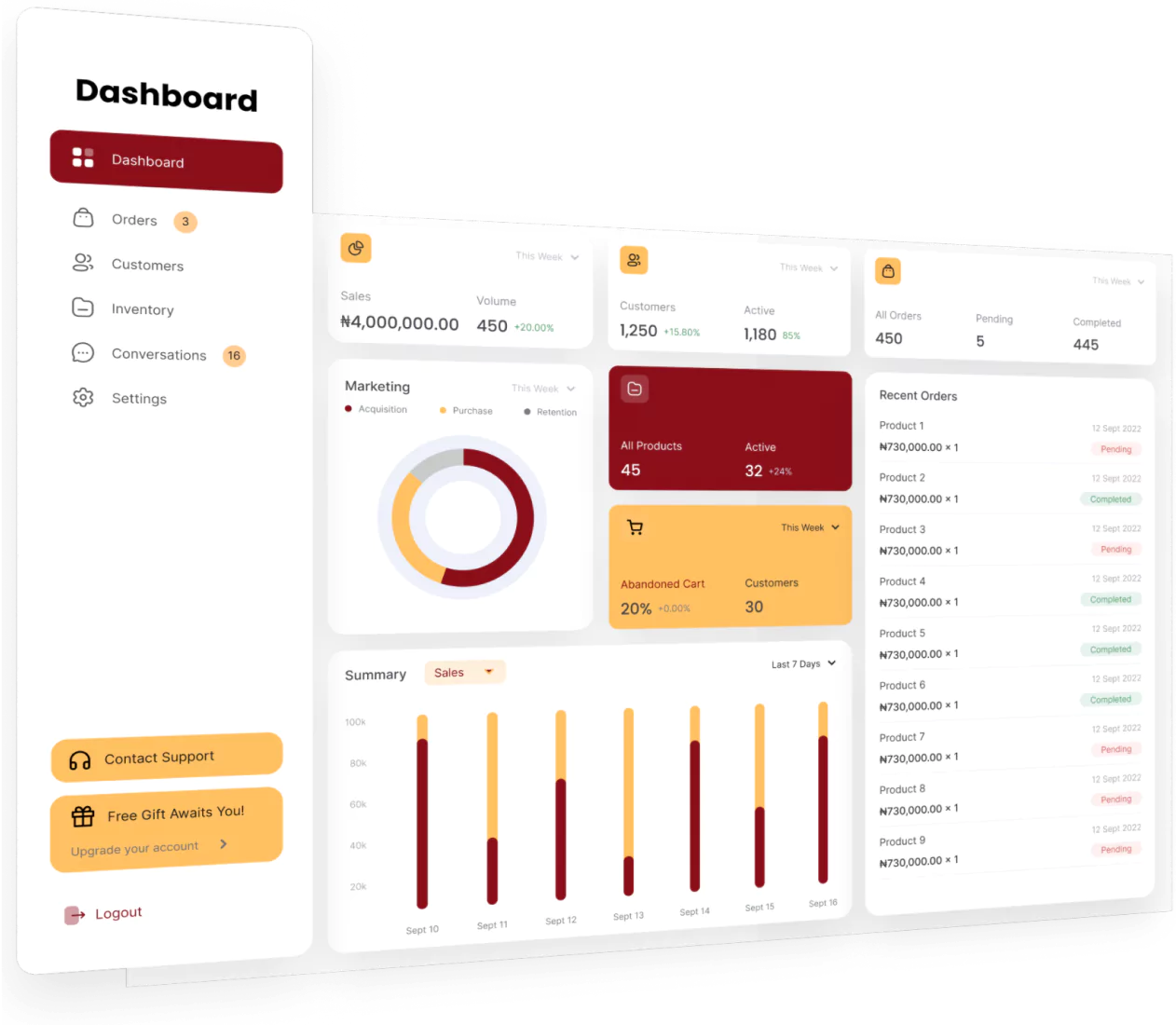 HashMicro provides an integrated ERP system specifically designed to automate and simplify construction business processes, including material takeoff. With a comprehensive solution, companies can overcome challenges like inaccurate takeoffs, slow estimation, and uncontrolled budget overruns. By centralizing data and workflows, HashMicro empowers businesses to achieve greater operational efficiency and make smarter strategic decisions.
HashMicro’s Construction System is designed with full integration between modules, allowing data to flow seamlessly between departments such as accounting, inventory, procurement, and project management. This creates a single source of truth, giving management better visibility over all business operations and ensuring that every decision is based on consistent, accurate, and up-to-date information.
Features of HashMicro Construction Suite:
- S-Curve Management: Provides visual tools to track project progress against the planned budget and schedule, enabling proactive management of deviations and ensuring financial control.
- In-Depth Job Estimates (RAB): Automates the creation of detailed and accurate project budgets by pulling quantities directly from takeoff data and integrating supplier pricing for precise cost estimation.
- Integrated with Accounting: Seamlessly connects project costs, procurement data, and billing with the accounting module, ensuring financial records are always synchronized and accurate without manual reconciliation.
- Variation Order Management: Systematically manages and documents all changes to the project scope, ensuring that cost and schedule adjustments are properly approved and tracked.
- Real-Time Project Dashboard: Offers a centralized dashboard with real-time analytics on key project metrics, including budget, progress, and resource utilization, empowering managers to make informed decisions quickly.
With HashMicro, your company can significantly improve operational efficiency, data transparency, and business process automation. To see how our solution can concretely help your business, do not hesitate to try the free demo now.

Conclusion
In essence, material takeoff is more than just a technical task; it is a strategic business process that lies at the heart of every successful construction project. By prioritizing accuracy, adopting digital technology, and integrating it into the broader project management ecosystem, your company can transform the estimation process from a risky cost center into a competitive advantage. Mastering material takeoff means mastering the foundation for more efficient, controlled, and profitable projects.
As the construction industry moves towards greater digitalization in 2025, companies that leverage advanced tools like HashMicro Construction Software for their takeoff processes will be better positioned to win competitive bids, manage resources effectively, and deliver projects that meet both budget and timeline expectations. Try our free demo now to see how investment in accurate material takeoff is an investment in the predictability and long-term success of your entire construction operation, ensuring a solid footing in a dynamic market.
FAQ About Material Takeoff
-
What is the main purpose of material takeoff?
The primary purpose is to accurately calculate the types and quantities of all materials needed for a construction project. This detailed list forms the basis for cost estimation, procurement, and scheduling, ensuring project efficiency and budget control.
-
What is the difference between a material takeoff and an estimate?
Material takeoff is the process of quantifying materials from design plans, resulting in a list of quantities. An estimate is the subsequent process of applying costs (unit prices, labor, overhead) to those quantities to determine the total project budget.
-
How can software help prevent disputes related to variation orders?
Specialized software such as Bluebeam and PlanSwift, as well as integrated ERP solutions such as HashMicro Construction Suite, are commonly used. These digital tools automate calculations from digital blueprints (CAD or BIM files), increasing speed and accuracy significantly compared to manual methods.