







For Malaysian businesses managing suppliers across multiple locations or cross-border routes, limited visibility can quickly affect daily operations. Stock updates may arrive late, warehouse teams may work with different data, and delivery delays can become harder to anticipate before they disrupt customer orders.
This is why many Malaysian businesses are turning to integrated logistics management systems to improve inventory control and make faster decisions with real-time data. According to MIDA, IoT-based real-time tracking can improve asset visibility and reduce operational costs by up to 15%.
To help you compare the available options, this article reviews 13 SCM software vendors in Malaysia and highlights how each one can support different operational needs. If you are evaluating which system can improve efficiency and help meet rising customer expectations, this guide will make the shortlist easier to navigate.
Key Takeaways
Supply Chain Management System (SCM) is a system designed to manage all company supply chain processes.
The benefit of Supply Chain Management software is that it boosts efficiency, reduces costs, improves supplier relationships, and enhances flexibility with real-time data and automation.
Choosing the right SCM software is important for businesses to improve overall supply chain operational efficiency.
To connect operations more efficiently and improve visibility across departments, many businesses now rely on integrated ERP software.

Best Supply Chain Management Software in Malaysia
After reviewing various options, we’ve shortlisted the best supply chain management software in Malaysia for 2026. These tools help businesses manage inventory, streamline order processing, and enhance accuracy. As a result, companies can reduce costs, minimize errors, and maintain seamless operations across various industries.





Best Because
Cargo management, shipment tracking, warehouse operations, freight coordination, and supply chain visibility for logistics and distribution businesses..

Best Because
Procurement automation, budget tracking, spend analytics, and approval workflows.
Quick Comparison of Best Supply Chain Management Software in Malaysia
| SCM Software | Best For | Strength | Malaysia Fit | Key Features | Pricing |
|---|---|---|---|---|---|
| Cin7 | Retail, wholesale, ecommerce, and distribution businesses managing multi-channel stock | Cloud-based inventory centralization with broad sales channel and 3PL integration | Suitable for Malaysian businesses needing multi-channel inventory visibility and fulfillment control | Inventory management, purchasing and supplier management, warehouse management, demand forecasting, EDI and 3PL integration | Pricing upon request based on plan tiers |
| HashMicro | Businesses that need a scalable system for procurement, inventory, warehousing, and distribution | Strong automation and integration across procurement, warehouse, and logistics with real-time visibility | Suited for Malaysian businesses with local support and flexible customization to match operational needs | Inventory management, procurement management, shipment management, return management, planning and forecasting | Custom pricing, free demo available |
| Netstock | SMEs looking to improve stock control without complex implementation | Simple and focused solution for inventory visibility and demand planning | Fits Malaysian SMEs that need better stock planning with a more straightforward setup | Demand forecasting, inventory health checkups, replenishment recommendations, inventory performance analytics | ± RM3,780/month |
| Microsoft Dynamics 365 | Companies already using the Microsoft ecosystem and needing stronger planning and visibility | Integrated platform with AI and data visualization for deeper supply chain insights | Suitable for Malaysian businesses needing advanced planning and connected operations | Inventory management, optimized planning, production planning and scheduling, quality and compliance support | ± RM882/user/month |
| Logiwa | High-volume e-commerce or distribution businesses that need flexible cloud scalability | Strong real-time inventory tracking and faster order fulfillment for high-volume operations | Suitable for Malaysian businesses handling demand fluctuations across e-commerce and distribution | Real-time inventory tracking, integrated shipping and order fulfillment, data-driven analytics | ± RM2,100/month |
| Focus Logistic | Companies looking to improve operational control with real-time supply chain insights | Integrated system for inventory, order processing, and logistics with real-time control | Suitable for Malaysian businesses that want more connected supply chain activities in one system | Comprehensive inventory management, efficient order processing, logistics operations, reporting and analytics | Contact vendor for pricing |
| Precoro | Companies that want better procurement and spending control without complex implementation | Simple procurement workflows with budget tracking and spend analytics | Suitable for Malaysian businesses aiming to improve purchasing control and compliance | Automated purchase order creation, real-time budget tracking, spend analytics, procurement cycle reduction | Core ± RM2,096/month, Automation ± RM4,196/month |
| Magaya | Logistics, wholesale, and distribution businesses needing stronger shipment visibility | Good visibility and cargo tracking for more complex logistics operations | Suitable for Malaysian logistics-heavy businesses that need tighter control across movements and shipments | Cargo management, supply chain visibility, shipment tracking, reporting features | ± RM1,260/user/month |
| SAP | Larger companies managing complex supply chain operations across multiple functions | Enterprise-level planning, broad integration, and strong analytics for large-scale operations | Suitable for Malaysian enterprises that need scale and deep operational visibility | Advanced planning and optimization, warehouse management system, transportation management | Custom enterprise pricing |
| Shippabo | Businesses involved in international trade and logistics needing better freight coordination | Better shipment visibility and simpler management of complex global shipping processes | Suitable for Malaysian import-export and logistics businesses handling global freight movements | Real-time shipment tracking, inventory management, warehouse management system, freight rate comparison | ± RM2,100/month |
| Coupa SCM | Companies aiming to improve procurement, supplier collaboration, and spending visibility | Strong visibility and control over spend and material flow with data-driven insights | Suitable for Malaysian businesses prioritizing cost efficiency and supplier collaboration | Real-time spend and inventory visibility, supplier collaboration portal, PO lifecycle management, scenario modelling, AI-driven analytics | ± RM10,500/month |
| Körber | Businesses with complex warehouse and fulfillment operations, including multi-site or 3PL environments | Scalable automation and real-time inventory visibility for advanced logistics environments | Suitable for Malaysian businesses managing larger warehouse networks or complex fulfillment setups | Real-time inventory visibility, advanced picking and packing, omnichannel fulfilment, modular workflows, multi-site capability | Contact vendor for pricing |
| Oracle Cloud SCM | Enterprises managing complex, large-scale operations across multiple locations | End-to-end visibility with strong analytics, AI, and automation across the supply chain | Suitable for Malaysian enterprises that need advanced visibility and automation at scale | Supply chain planning, inventory management, procurement management, manufacturing execution, product lifecycle management | ± RM840–1,890/user/month |
What is Supply Chain Management Software?
Supply Chain Management (SCM) software is a centralized digital solution designed to optimize, automate, and monitor the movement of goods, information, and finances across the supply chain. It integrates procurement, production, inventory management, warehousing, and distribution, ensuring seamless operations from supplier to customer.
By providing up-to-date operational data and analytics, SCM software enhances visibility, coordination, and efficiency in managing resources, improving decision-making, and reducing operational risks. Businesses can predict demand, minimize stock issues, and streamline logistics, leading to faster deliveries and cost savings.
Hashy AI Fact

Hashy AI for Supply Chain helps manage logistics with features like Stock Check, Expiry Alerts, and Stock Transfer, making decision-making easier directly through WhatsApp.
Request a free demo today!
What are the Benefits of Supply Chain Management Software?
Supply Chain Management software streamlines processes and enables businesses to make informed decisions by providing up-to-date operational data and analytics throughout the supply chain. For businesses in Malaysia, using Supply Chain Management software brings many benefits, including:
- Enhanced efficiency: By automating key supply chain tasks, businesses can reduce manual errors and increase operational speed.
- Cost reduction: A good SCM software vendors helps in identifying cost-saving opportunities by optimizing inventory levels and reducing excess or obsolete stock.
- Improved supplier relationships: Effective management of supplier data and interactions leads to stronger, more reliable partnerships.
- Better customer satisfaction: With improved inventory management and faster delivery times, businesses can meet customer demands more accurately and promptly.
- Increased flexibility: The ability to quickly adapt to market changes or disruptions is enhanced, keeping businesses competitive in dynamic environments.
13 Best Supply Chain Management Software for Malaysian Businesses
The wide range of SCM vendors in Malaysia can potentially confuse when choosing the best one among them. Here’s a shortlist of the 13 best SCM software, all known for their reliable quality.
Choosing the right supply chain management software for your Malaysian business can be challenging, given the numerous options available. Here’s a comprehensive list of the 13 best SCM systems in Malaysia, with an in-depth analysis of each solution’s strengths and weaknesses.
1. HashMicro Supply Chain Management Software 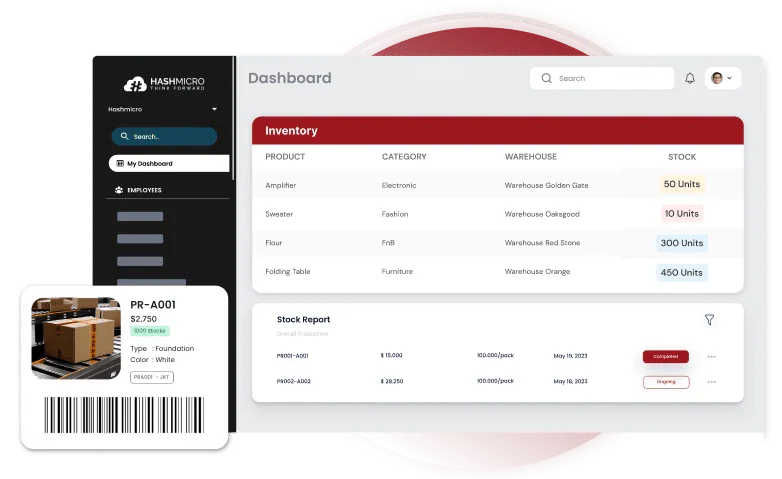
HashMicro’s Supply Chain Software is widely recognized as a leading SCM solution in Southeast Asia. First established in Singapore, HashMicro has built a strong track record serving enterprises across a range of industries, including logistics, manufacturing, and retail.
The platform is particularly well-suited for large organizations looking to unify procurement, inventory, and warehouse operations within a single system. Furthermore, HashMicro’s SCM is aligned with Malaysian regulatory requirements, ensuring that reporting outputs meet local compliance standards.
Key Features HashMicro:- Procurement Management
- Inventory Management
- Warehouse Management
- Supply Chain Planning
- Real-Time Reporting & Analytics
| Pros | Cons |
|
|
Why this suits Malaysian businesses: HashMicro Supply Chain Management Software suits Malaysian businesses that need a scalable system for procurement, inventory, warehousing, and distribution, with local support and flexible customization to match operational needs.
To better understand how the available features align with your operational needs and budget, reviewing the pricing structure can be a useful next step.
"HashMicro’s Supply Chain Management Software stands out for its strong automation features and seamless integration. It centralizes procurement, warehouse, and logistics processes while offering real-time visibility across every stage of the supply chain."
2. Cin7
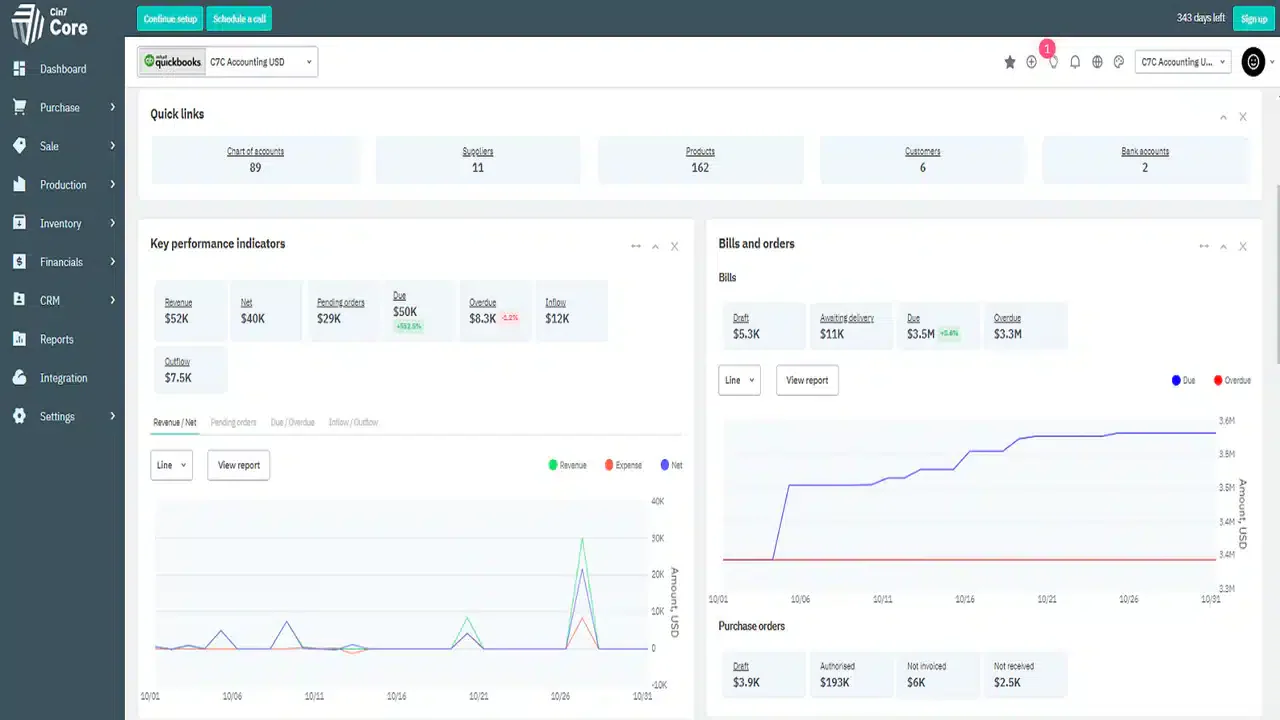
Cin7 is a cloud-based inventory and supply chain management platform designed for product-based businesses, especially retail, wholesale, e-commerce, and distribution companies. The system helps businesses centralize inventory, purchasing, warehouse workflows, and order fulfillment across multiple sales channels.
The key features of Cin7:
- Inventory management
- Purchasing and supplier management
- Warehouse management
- Demand forecasting
- EDI and 3PL integration
| Pros | Cons |
|
|
Why this suits Malaysian businesses: Cin7 suits Malaysian businesses that manage retail, wholesale, e-commerce, or distribution operations across multiple stock locations. It is useful for companies that need better inventory visibility, supplier coordination, and fulfillment control without moving into a heavier enterprise SCM system.
3. Netstock
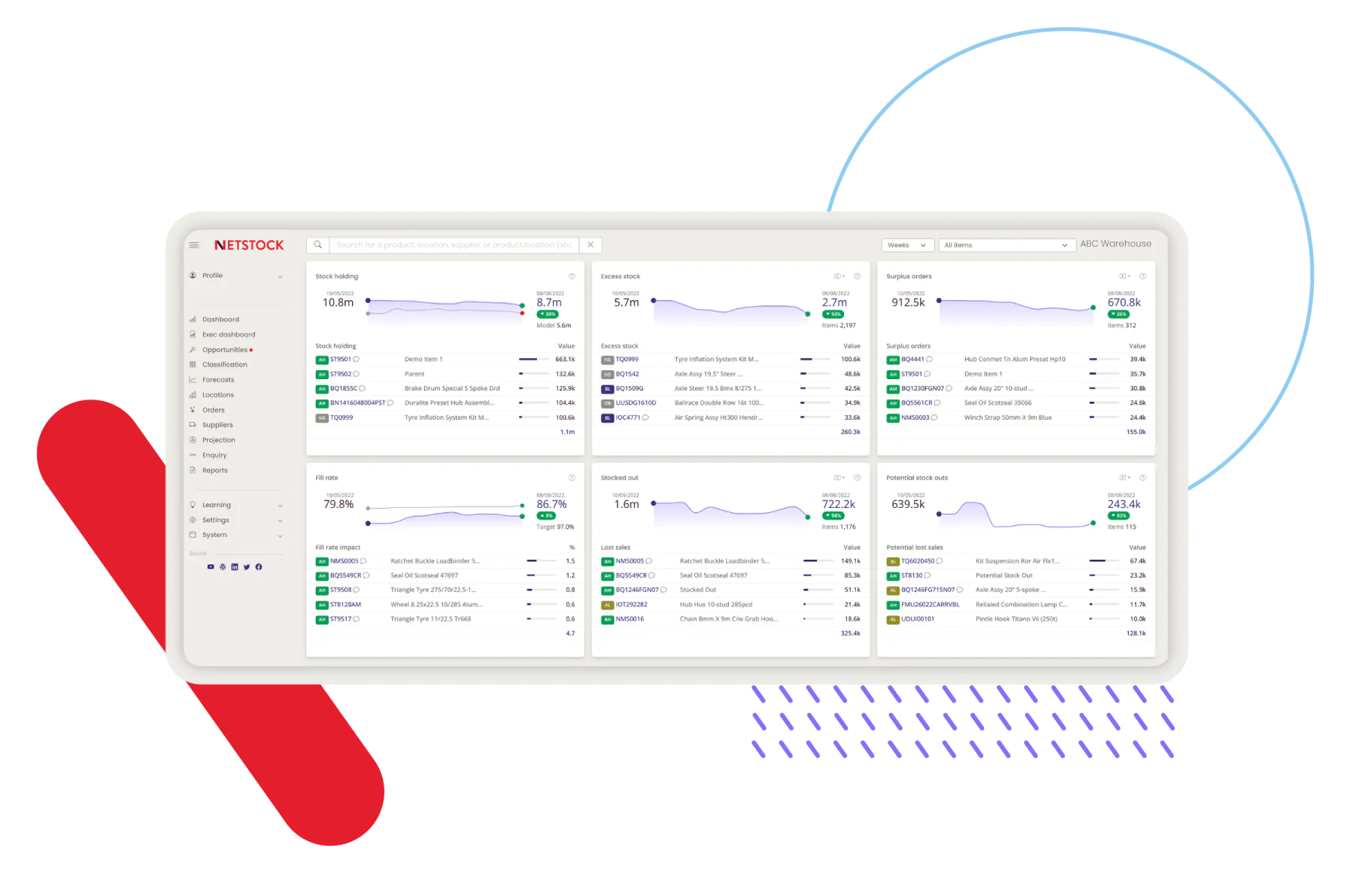
Netstock supply chain software is an innovative supply chain that caters to small and medium-sized businesses. Known for its straightforward and intuitive interface, Netstock SCM simplifies complex supply chain processes, making it accessible for users without deep technical expertise.
The key features of Netstock SCM:
- Demand forecasting
- Inventory health checkups
- Replenishment recommendations
- Enhance decision-making by providing analytics on inventory performance.
| Pros | Cons |
|
|
Why this suits Malaysian businesses: Netstock suits Malaysian businesses that need a simple and focused solution for inventory visibility and demand planning, especially for SMEs looking to improve stock control without complex system implementation.
4. Microsoft Dynamics 365
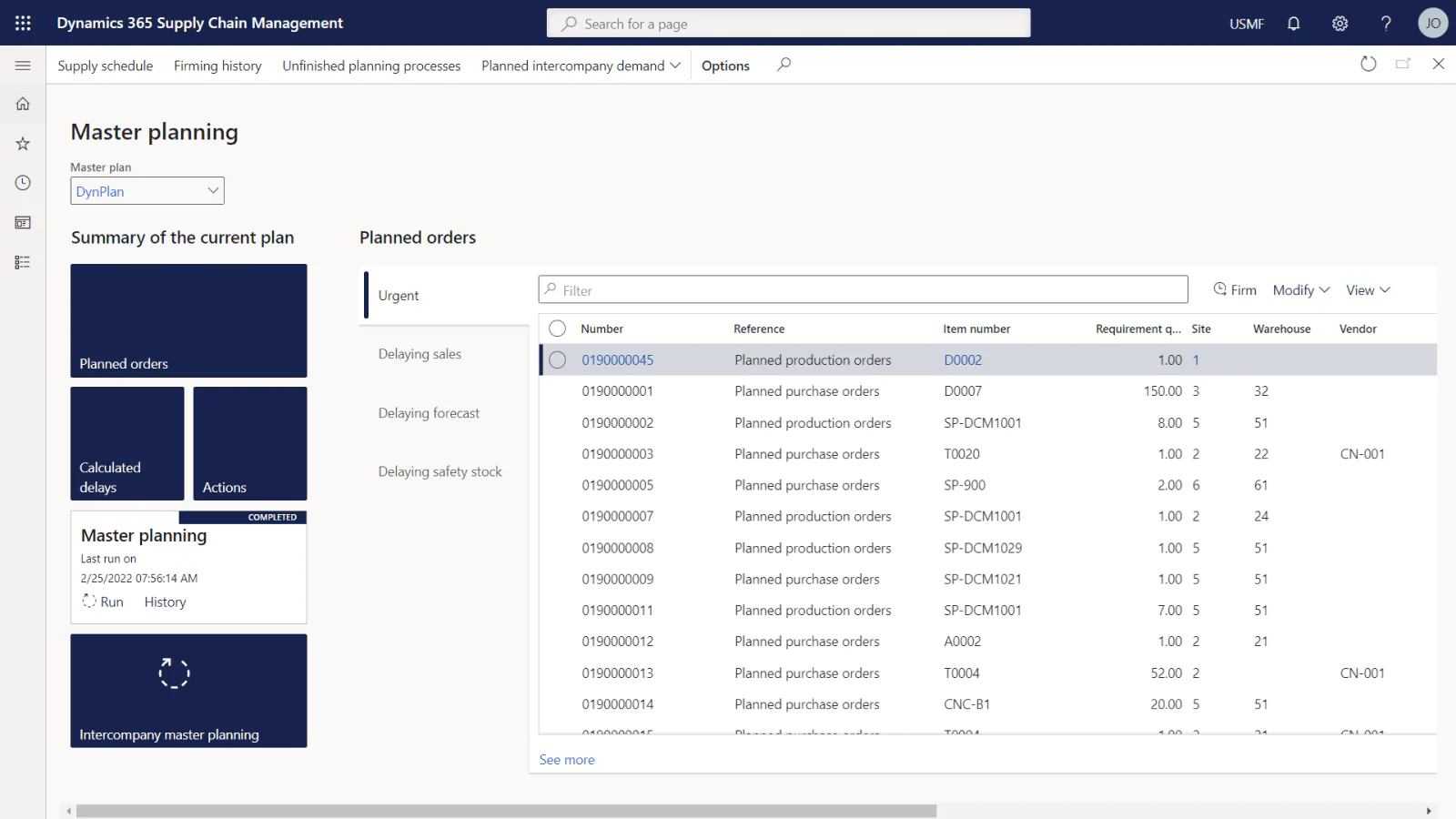 Microsoft Dynamics 365 supply chain software is an integrated solution designed to transform and streamline business supply chain operations. This platform leverages AI and data visualization to provide deep insights into every aspect of the supply chain.
Key features of Microsoft Dynamics 365:
- Inventory management and optimized planning
- Help organizations achieve greater operational efficiency
- Enhance production planning and scheduling
- Ensure product quality and compliance
| Pros | Cons |
|
|
Why this suits Malaysian businesses: Microsoft Dynamics 365 suits Malaysian businesses that need stronger supply chain visibility, advanced planning, and integration across operations, especially for companies already using the Microsoft ecosystem.
5. Logiwa
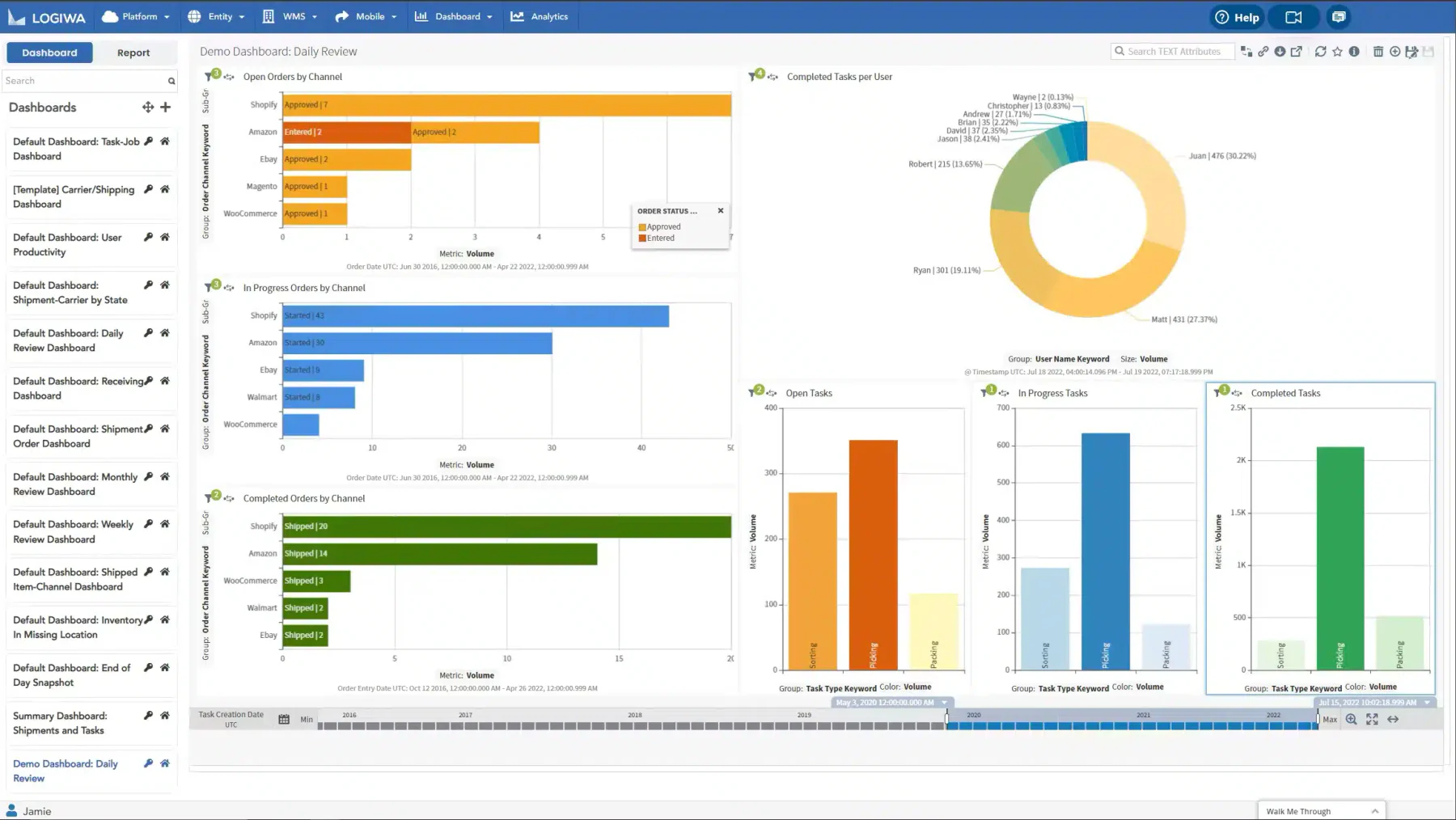
Logiwa supply chain management software Malaysia is a cloud-based inventory management solution specifically designed to meet the needs of high-volume B2C and D2C businesses. This platform excels in streamlining operations and optimizing inventory.
Key features of Logiwa:
- Real-time inventory tracking
- Integrated shipping or order fulfillment
- Data-driven insights and analytics help businesses make informed decisions to further optimize their supply chain
| Pros | Cons |
|
|
Why this suits Malaysian businesses: Logiwa suits Malaysian businesses with high-volume e-commerce or distribution operations that need live inventory tracking inventory tracking, faster order fulfillment, and flexible cloud-based scalability to handle demand fluctuations.
6. Focus Logistic
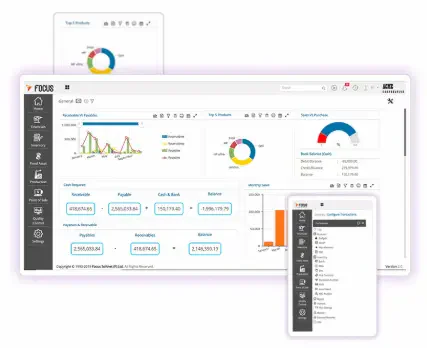
Focus supply chain management software is an integrated solution designed to cater to the diverse needs of modern supply chains. The system is developed to provide current operational insights and control, helping companies stay ahead in fast-paced market environments.
Key features of Focus SCM:
- Comprehensive inventory management
- Efficient order processing
- Streamlined logistics operations
- Supports reporting and analytics by highlighting trends for improvement
| Pros | Cons |
|
|
Why this suits Malaysian businesses: Focus Logistic suits Malaysian businesses that need an integrated system for inventory, order processing, and logistics, especially for companies looking to improve operational control with timely supply chain insights across supply chain activities.
7. Precoro
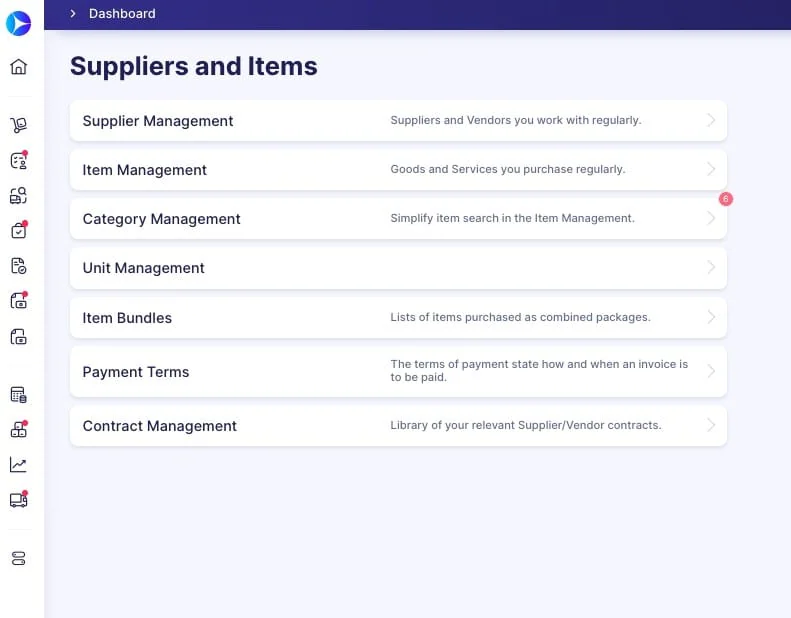 Precoro SCM offers an intuitive, user-friendly interface that simplifies complex procurement tasks, making it accessible for users without extensive technical knowledge. This software has robust spend management practices without complex systems.
Key features of Precoro:
- Automated purchase order creation
- Ongoing budget tracking
- Spend analytics
- Enable businesses to control spending effectively
- Reduce procurement cycles
- Enhance compliance with internal policies.
| Pros | Cons |
|
|
Why this suits Malaysian businesses: Precoro suits Malaysian businesses that want better control over procurement and spending, especially for companies looking to simplify purchasing workflows and improve budget tracking without complex implementation.
8. Magaya
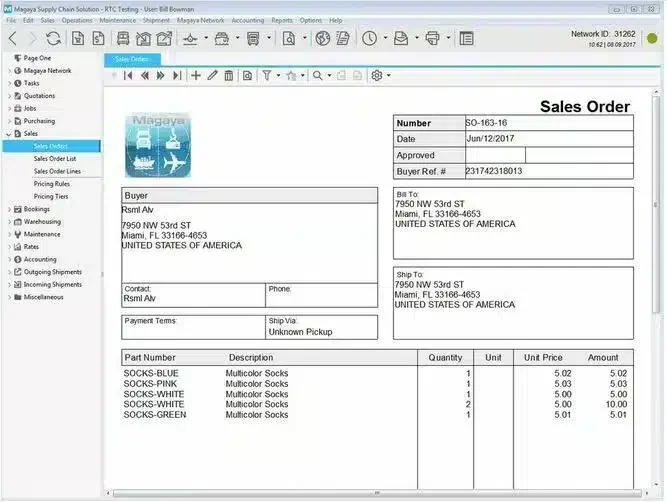
Magaya SCM is designed primarily for logistics providers, wholesalers, and distributors. This robust platform integrates key aspects of logistics and supply chain operations into a single suite to optimize efficiency and improve visibility across the entire supply chain.
Magaya’s key features:
- Cargo management
- Supply chain visibility
- Provides comprehensive visibility
- Offering detailed tracking and reporting features that help businesses monitor live shipment updates.
| Pros | Cons |
|
|
Why this suits Malaysian businesses: Magaya suits Malaysian businesses in logistics, wholesale, and distribution that need stronger shipment visibility, cargo tracking, and operational control across more complex supply chain movements.
9. SAP
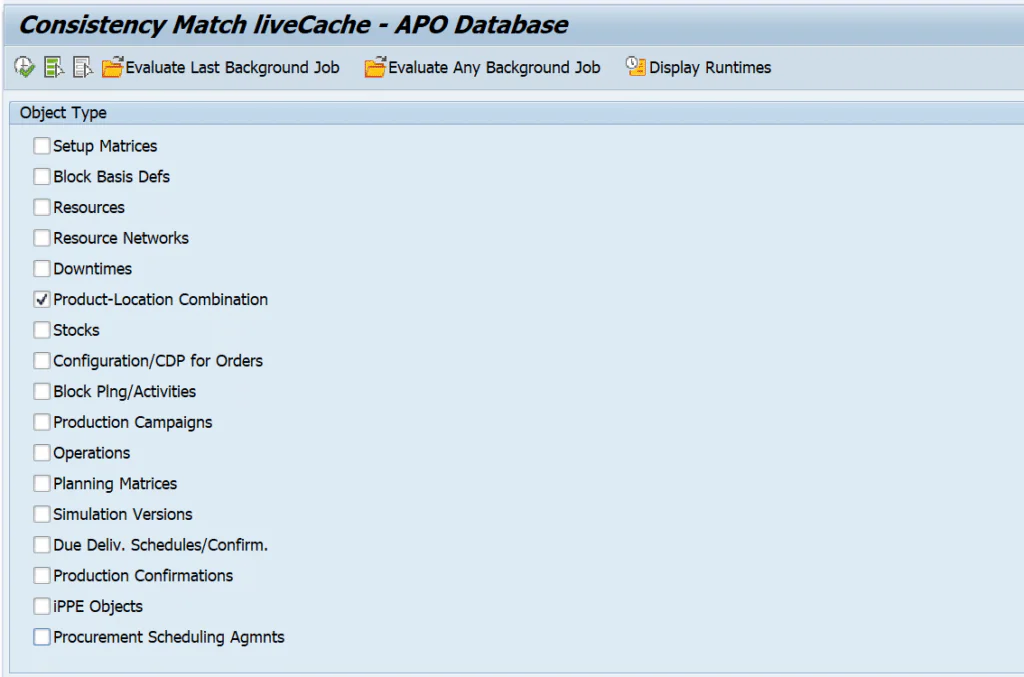 SAP SCM supports enterprise supply chain operations that involve planning, warehouse management, transportation, and cross-department coordination. The system helps companies enhance the efficiency and visibility of supply chain processes by connecting operational data across procurement, inventory, production, and logistics activities.
Key features of SAP SCM:
- Advanced planning and optimization (APO)
- Warehouse management system (WMS)
- Transportation management
| Pros | Cons |
|
|
Why this suits Malaysian businesses: SAP suits Malaysian businesses with complex supply chain operations that need enterprise-level planning, broad integration, and strong analytics, especially for larger companies managing scale across multiple functions.
10. Shippabo
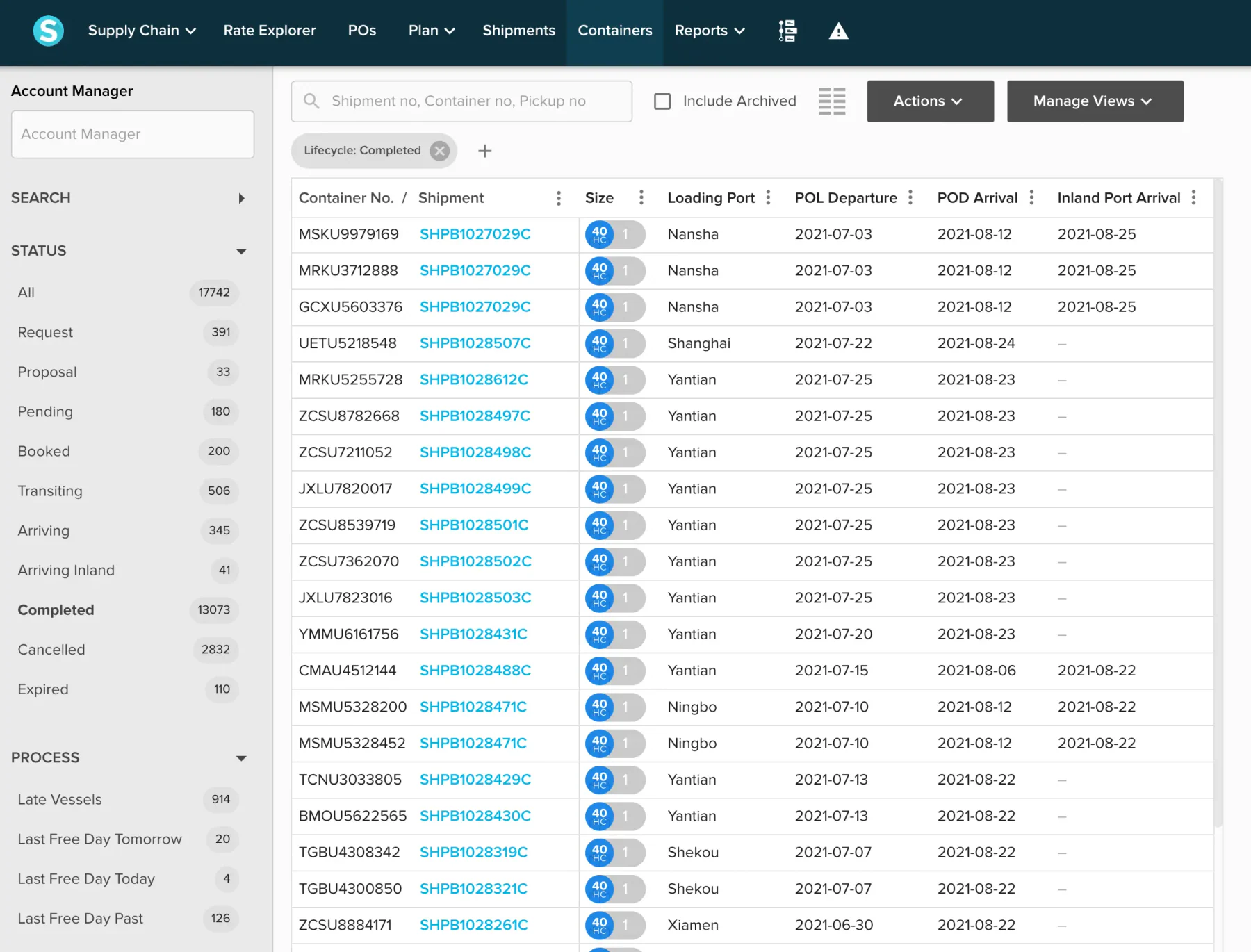
Shippabo integrates ocean, air, and domestic freight management solutions with powerful visibility and coordination tools. This platform aims to demystify the complexities of shipping logistics and make global trade more accessible and manageable for its users.
Key features of Shippabo SCM:
- Live shipment tracking
- Inventory management
- Warehouse management system
- Freight rate comparison
- The software facilitates better communication and collaboration between all parties involved in the supply chain
| Pros | Cons |
|
|
Why this suits Malaysian businesses: Shippabo suits Malaysian businesses involved in international trade and logistics that need better shipment visibility, freight coordination, and simplified management of complex global supply chain processes.
11. Coupa SCM software
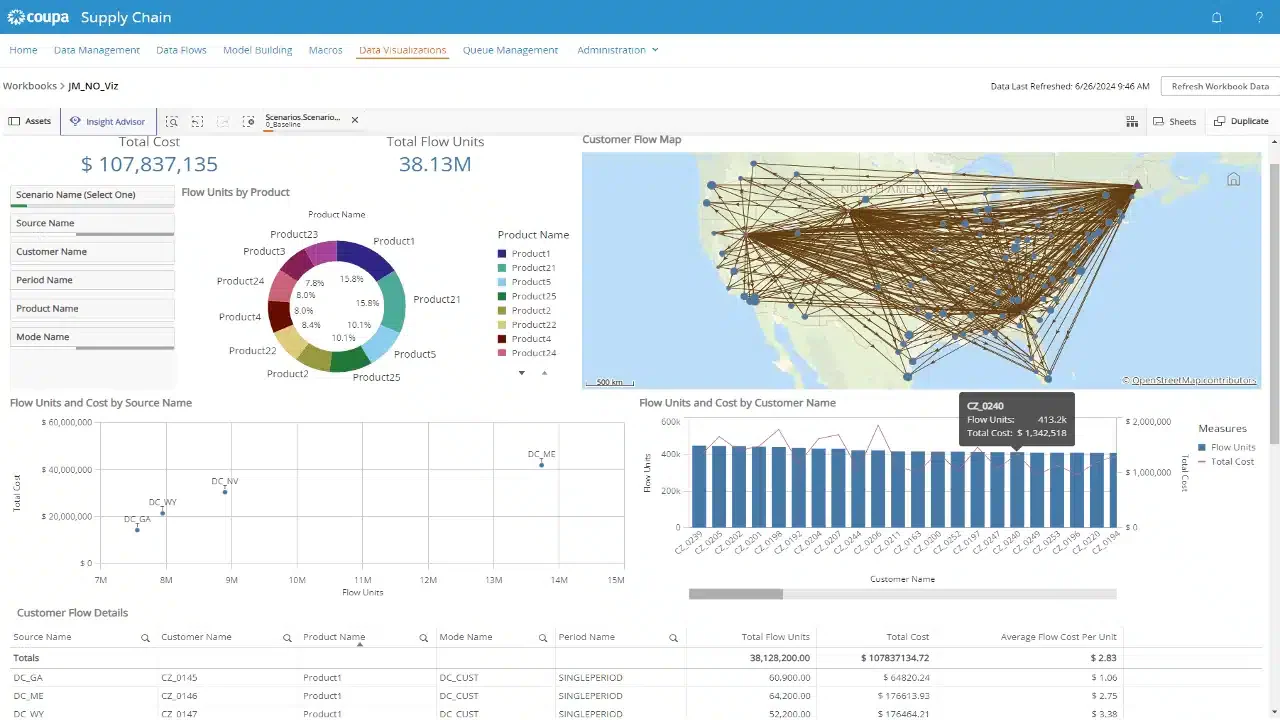 Coupa Supply Chain Management (Coupa SCM) is a cloud-based platform that enables businesses to model supply-chain scenarios, monitor supplier performance, and manage materials and indirect spend continuously updated data using AI and analytics.
Key features of Coupa SCM:
- Continuous spend and inventory visibility
- Supplier collaboration portal & PO lifecycle management
- Multi-echelon inventory optimization & safety stock simulation
- Supply chain network design & scenario modelling
- AI-driven analytics and prescriptive insights
| Pros | Cons |
|
|
Why this suits Malaysian businesses: Coupa SCM suits Malaysian businesses that need stronger control over procurement, supplier collaboration, and spending visibility, especially for companies aiming to improve cost efficiency with data-driven insights.
12. Körber
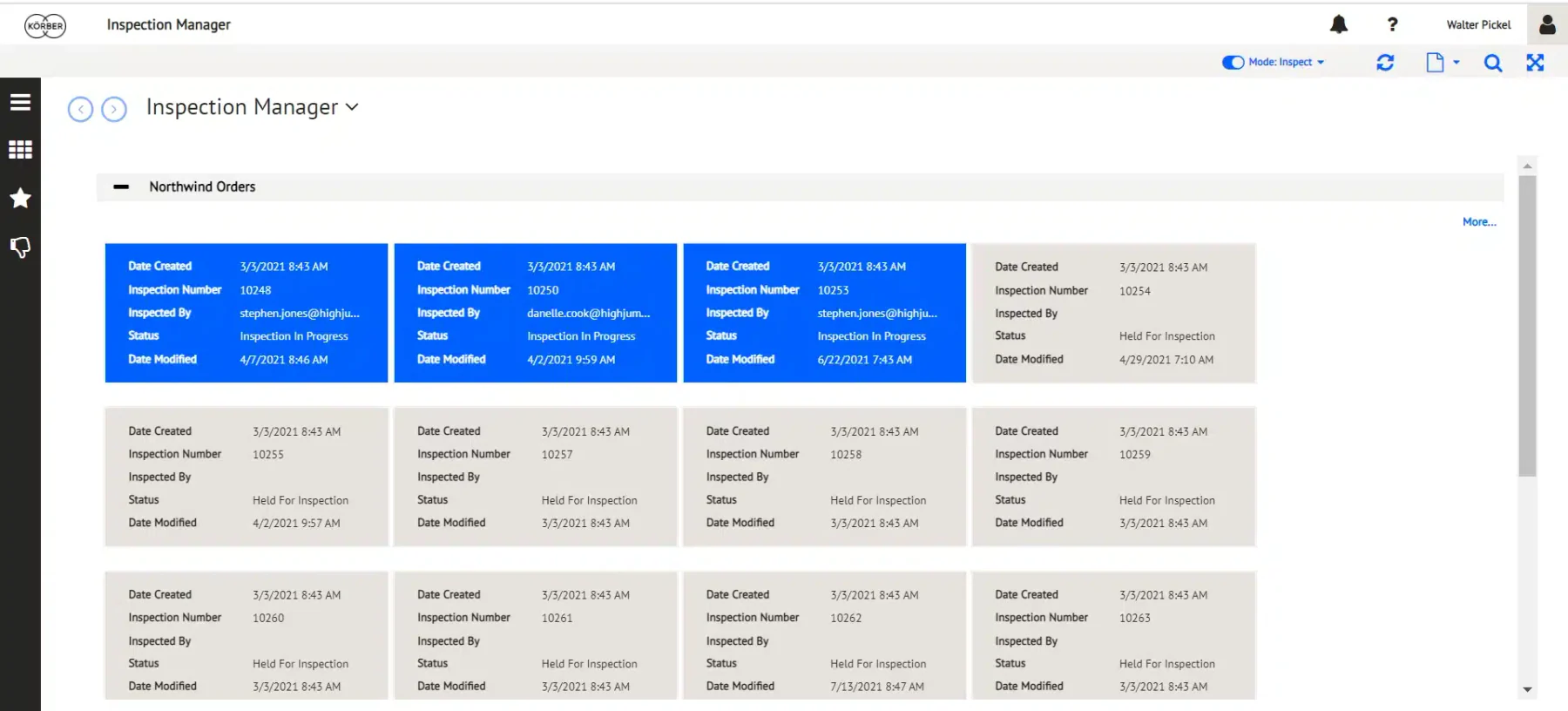 Körber’s supply chain software offers an end-to-end suite of tools designed for modern logistics, warehouse, and fulfillment operations, as well as omnichannel fulfillment across global networks. It caters to a wide range of operations, from small to medium-sized warehouses through to highly automated distribution centers.
Key features of Körber SCM:
- Updated inventory visibility
- Advanced picking, packing & wave management
- Omnichannel fulfilment (e.g., BOPIS, ship-from-store, dropship)
- Modular architecture (workflows, automation, robotics orchestration)
- Multi-site/multi-client capability (especially for 3PLs)
| Pros | Cons |
|
|
Why this suits Malaysian businesses: Körber suits Malaysian businesses with complex warehouse and fulfillment operations that need scalable automation, updated inventory visibility, and support for multi-site or 3PL environments.
13. Oracle Cloud SCM software
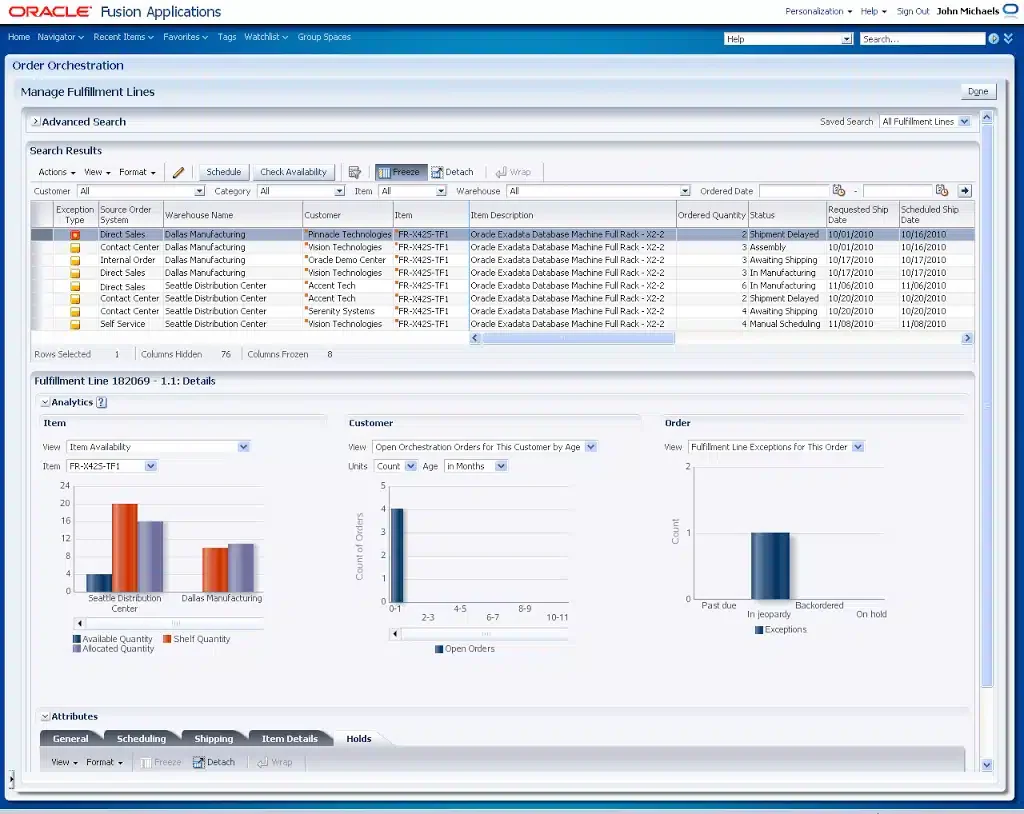 Oracle Cloud SCM is a comprehensive, cloud-based solution designed to streamline end-to-end supply chain operations from planning and procurement to manufacturing and logistics. Built on Oracle’s robust cloud infrastructure, continuous operational visibility, predictive analytics, and AI-driven automation.
Key features of Oracle Cloud SCM:
- Supply Chain Planning
- Inventory Management
- Procurement Management
- Manufacturing Execution
- Product Lifecycle Management (PLM)
| Pros | Cons |
|
|
Why this suits Malaysian businesses: Oracle Cloud SCM suits Malaysian businesses that need end-to-end supply chain visibility with advanced analytics and automation, especially for enterprises managing complex, large-scale operations across multiple locations.
Types of Supply Chain Management Software
Many organizations utilize specialized Supply Chain Management (SCM) software to automate and optimize various stages of the supply chain, ranging from procurement to delivery. Below are ten key types of SCM software every modern business should consider implementing:
- Inventory Management Software: Tracks and manages stock levels, orders, and warehouse management processes with updated inventory data to prevent overstocking or shortages.
- Warehouse Management System (WMS): Optimizes warehouse layout, storage, picking, and shipping processes to improve operational efficiency.
- Transportation Management System (TMS): Helps plan, execute, and monitor the movement of goods, ensuring cost-effective and timely delivery.
- Procurement Management Software: Automates purchasing processes, supplier management, and approvals to streamline procurement workflows.
- Order Management System (OMS): Manages order processing from sales to fulfillment, ensuring accuracy and faster customer delivery.
- Demand Planning Software: Uses historical data and analytics to forecast customer demand and optimize inventory planning.
- Supplier Relationship Management (SRM) Software: Strengthens collaboration with suppliers by managing contracts, performance, and communication.
- Logistics Management Software: Coordinates transportation, warehousing, and inventory activities to ensure smooth product flow across the supply chain.
- Production Planning Software: Assists manufacturers in scheduling production runs, managing raw materials, and minimizing downtime.
- Supply Chain Analytics Software: Provides current data insights and predictive analytics to help businesses make more intelligent supply chain decisions.
Choose the Right SCM Software for Your Business in Malaysia
 In Malaysia, where the market is highly competitive, finding an SCM system that fits your specific needs can be challenging. Before choosing a platform, businesses should assess their supply chain complexity, integration needs, scalability, and the level of support required for daily operations.
Understanding your business needs
Evaluate your business size, the complexity of your supply chain, and the key challenges you face. Pinpointing your pain points will guide you toward a SCM system solution that best fits your business landscape.
Evaluate the features
The best SCM software should offer live tracking, inventory optimization, demand forecasting, and seamless integration with other tools you currently use. Ensure the solutions you consider have robust analytics capabilities to help you improve operational efficiency.
Consider scalability and support
Your chosen SCM system should not only fit your current needs but also grow with your business. Check how scalable the system is and whether the provider offers support for upgrades and expansions. Additionally, assess the level of customer support provided, as reliable support is crucial for resolving any future issues swiftly.
Read reviews and seek recommendations
Look for testimonials from other large businesses in Malaysia, and consider reaching out to your industry peers for their recommendations. Their insights can help you avoid costly mistakes and choose a system that has proven successful.
Which Supply Chain Management Software Suits Your Business?
| Business Scenario | Recommended SCM Software | Why It Fits |
|---|---|---|
| Growing business that needs procurement, inventory, warehousing, and distribution in one scalable system | HashMicro Supply Chain Management Software | HashMicro is a strong fit for businesses that want better control across procurement, stock movement, warehousing, and shipment management in one platform. It is especially suitable for companies that need flexible customization, broad module integration, and a system that can keep up as operations become more complex. |
| Multi location business that needs cloud based supply chain visibility and real time operational control | NetSuite | NetSuite is more suitable for businesses that manage supply chain activities across multiple locations and want stronger real time visibility through a cloud based platform. It works well for companies that need scalable control without relying on disconnected systems. |
| SME that wants simpler inventory planning and better stock control without heavy implementation | Netstock | Netstock is a practical option for smaller businesses that mainly need demand forecasting, inventory visibility, and replenishment planning. It is a better fit when the goal is to improve stock control without moving into a more complex enterprise setup. |
| Business already using Microsoft tools that wants stronger planning and connected supply chain operations | Microsoft Dynamics 365 | Microsoft Dynamics 365 is a better fit for companies that want advanced planning, stronger integration across operations, and deeper supply chain insights through AI and data visualization. It makes more sense for businesses that are already familiar with the Microsoft ecosystem. |
| High volume e commerce or distribution business that needs fast fulfillment and flexible cloud scalability | Logiwa | Logiwa suits businesses that handle high order volumes and need real time inventory tracking with faster order fulfillment. It is especially relevant for e commerce and distribution teams that need a cloud based system to keep up with changing demand. |
| Business that wants integrated inventory, order processing, and logistics with clearer operational control | Focus Logistic | Focus Logistic fits companies that want better coordination across inventory, order handling, and logistics in one integrated environment. It is useful for businesses that want more visibility into daily supply chain activity without jumping straight to a larger enterprise platform. |
| Company that wants stronger procurement control, budget tracking, and spend visibility | Precoro | Precoro is more suitable for businesses that want to simplify procurement workflows, improve budget tracking, and gain better control over purchasing decisions. It works best when spend management is a bigger priority than broader end to end supply chain complexity. |
| Logistics, wholesale, or distribution business that needs better shipment visibility and cargo control | Magaya | Magaya is a stronger fit for businesses that move goods frequently and need better visibility across cargo, shipment tracking, and logistics workflows. It makes more sense for logistics focused operations than for companies with simpler inventory needs. |
| Large enterprise with complex supply chain planning needs across multiple functions | SAP | SAP is more suitable for larger businesses that need enterprise level planning, strong integration, and deeper analytics across supply chain functions. It is a stronger option when scale, complexity, and long term process standardization matter more than simplicity. |
| Business involved in international trade that needs freight coordination and shipment visibility | Shippabo | Shippabo fits businesses that deal with ocean, air, and domestic freight and need better coordination across global shipping activities. It is especially useful for companies that want more visibility into international logistics without relying on fragmented freight tools. |
| Business that wants stronger supplier collaboration, procurement visibility, and cost efficiency | Coupa SCM | Coupa SCM is a better fit for companies that want more control over procurement, supplier collaboration, and spend visibility. It works well for businesses that care about cost efficiency and want stronger decision support through analytics and scenario modeling. |
| Company with complex warehouse, fulfillment, or multi site logistics operations | Körber | Körber is more suitable for businesses that run larger warehouse or fulfillment networks and need scalable automation with real time inventory visibility. It is especially relevant for multi site operations or 3PL environments with more demanding logistics processes. |
| Enterprise that needs end to end supply chain visibility with advanced analytics and automation | Oracle Cloud SCM | Oracle Cloud SCM is a stronger fit for enterprises that need planning, procurement, manufacturing, and logistics visibility in one connected environment. It suits businesses that operate at scale and want advanced analytics and automation to support more complex decision making. |
Conclusion
Choosing the right SCM software depends on your supply chain complexity, business size, and main operational needs. Some businesses may only need demand planning or procurement tools, while others need full visibility across inventory, warehouse, logistics, and reporting
For Malaysian businesses, the best choice is the system that matches current workflows and can scale as operations grow. SMEs may prefer simpler planning tools, while larger companies may need broader SCM platforms for multi-location control and advanced fulfillment.
A free demo can help businesses review the system flow, module coverage, and implementation needs before making a final decision.

FAQ about Supply Chain Management Software
SCM (Supply Chain Management) software is used to enhance the efficiency of supply chains by managing the flow of goods, information, and finances. It supports businesses in optimizing inventory, planning production, coordinating suppliers, and fulfilling orders, reducing costs and improving overall operations.
SCM software typically includes tools for supply chain planning to forecast and schedule activities, supply chain execution for logistics and transportation, procurement for managing suppliers and sourcing, and inventory management for tracking and maintaining optimal stock levels.
SCM is not an ERP system, but it is often part of one. SCM focuses on managing supply chain activities like procurement and logistics, while ERP software handles multiple business functions, including SCM, finance, and HR, in one system. Together, they work to streamline business operations.
Typically, full customization for complex operational needs takes a few weeks to a few months, depending on scope, modules, integrations, and workflow adjustments required.
SCM tools include platforms for supply chain planning, logistics management, inventory tracking, and procurement. These tools are designed to improve visibility, streamline processes, and enhance collaboration across the supply chain, catering to businesses of different sizes and complexities.