Manual processes in wholesale distribution often lead to errors, causing inefficiencies that hurt order accuracy and delivery times. In the competitive Philippine market, choosing the right wholesale distribution software is crucial for wholesalers to avoid costly mistakes and stay ahead.
Research conducted by Technavio shows that the global distributor management system market to grow by USD 1.29 billion between 2025 and 2029, with a CAGR of 2.4%, driven by increasing needs for faster order fulfillment, tighter inventory control, and integrated multi-channel operations. This growth reflects how essential modern distribution systems have become for businesses that need accuracy, speed, and real-time visibility.
With so many options for wholesale distribution ERP available, business owners may feel overwhelmed when choosing the right system. Without a clear understanding of their operational needs, they risk selecting a solution that doesn’t fit. To avoid this, many wholesalers in the Philippines rely on smarter, integrated tools like HashMicro Distribution Software, which offers better visibility and control across the entire supply chain.
Therefore, choosing wholesale distribution software requires careful consideration. This article highlights 13 top solutions to help you compare their strengths and weaknesses with ease.
Several benefits of using wholesale distribution software are saving costs, accurate inventory management, real-time updates, better communication, and precise quality control.
Wholesale distribution software is a management tool that streamlines the operations of wholesale distributors. It automates key business processes such as inventory management, order processing, and customer relationship management, ensuring efficient and effective distribution workflows.
This software serves as the backbone for distributors, providing the technology needed to track and manage the flow of goods from suppliers to customers, including sales in wholesale operations. It integrates various functions within a distribution company, from warehouse management to sales force automation, helping businesses optimize their supply chains and reduce overhead costs.
Additionally, these systems often feature financial management and reporting capabilities, which assist in maintaining accurate financial records and ensuring compliance with industry regulations.
Function of Wholesale Distribution Software
Wholesale distribution software typically includes essential warehouse management features such as:
Route Optimization: This feature calculates the most efficient delivery paths, saving time and reducing transportation costs.
Inventory Management: Helps track stock levels, manage orders, and ensure that products are readily available without overstocking.
Dispatching: Organizes the allocation of goods for delivery, improving the overall dispatch process.
Analytics: Provides data-driven insights that help businesses make informed decisions, such as identifying sales trends and optimizing operations.
Many distribution management systems are modular, meaning businesses can choose only the features they need, which allows for a more cost-effective and tailored solution.
Some advanced software suites offer comprehensive tools that cover multiple business functions, such as:
Customer Relationship Management (CRM): Helps manage interactions with customers, track sales leads, and improve customer service.
Accounting: Integrates financial management to handle invoicing, payments, and other fiscal duties.
Human Resources (HR): Manages employee-related tasks such as payroll, recruitment, and performance tracking.
Smaller-scale systems typically focus on just a few departments or specialized features, catering to more specific needs of the business.
Benefits of Wholesale Distribution Software
Wholesale distribution software is a valuable for wholesale businesses, regardless of their size. Investing in distribution software is not just a wise decision; it is essential for maintaining competitiveness in the Philippines’ market.
Below are five benefits of wholesale distribution software:
Cost Savings: The software simplifies pricing, automates tasks, and cuts costs. Your team can focus on important tasks while the software helps predict demand for a smoother supply chain.
Inventory Management: Accurate info and forecasts help manage inventory better, avoiding overstocking or running out of items.
Instant Updates: The software keeps track of stock, deliveries, and inventory movements. It sends quick updates to the right departments for fast adjustments.
Better Communication: It makes communication between departments easy. You can contact the right people directly through the system.
Quality Control: The software helps spot inventory and product issues early. You can track every item using tracking, lot, or batch numbers.
Features of Wholesale Distribution Software
Wholesale distribution software comes packed with a range of features designed to enhance operational efficiency and streamline various aspects of the distribution process. Here’s how each core feature contributes to the effectiveness of wholesale distribution operations:
Order Processing Management: This feature streamlines the entire order fulfillment process, from order entry to shipment, ensuring accuracy and timely delivery.
Billing and Invoicing Automation: Automates invoice creation and billing cycles, reducing manual errors and improving financial accuracy.
Inventory and Stock Management: Provides tools to monitor stock levels, manage reordering, and optimize warehouse space, ensuring efficient inventory control.
Route and Delivery Management: Enhances the efficiency of delivery schedules by optimizing routes and tracking delivery statuses in real-time.
eCommerce Metrics and Report Tracking: Offers detailed insights into eCommerce operations through comprehensive sales tracking, customer behavior, and other crucial metrics.
Vendor Management: Facilitates better coordination and communication with vendors, streamlining procurement and maintaining healthy supply chain relationships.
The Best Wholesale Distribution Software: Top 13 Suggestions
Selecting the ideal wholesale distribution software for your business can be challenging, given the diversity of distributor software available in the market. Each vendor provides unique features, and their products have distinct strengths and weaknesses.
1. HashMicro Wholesale Distribution Software
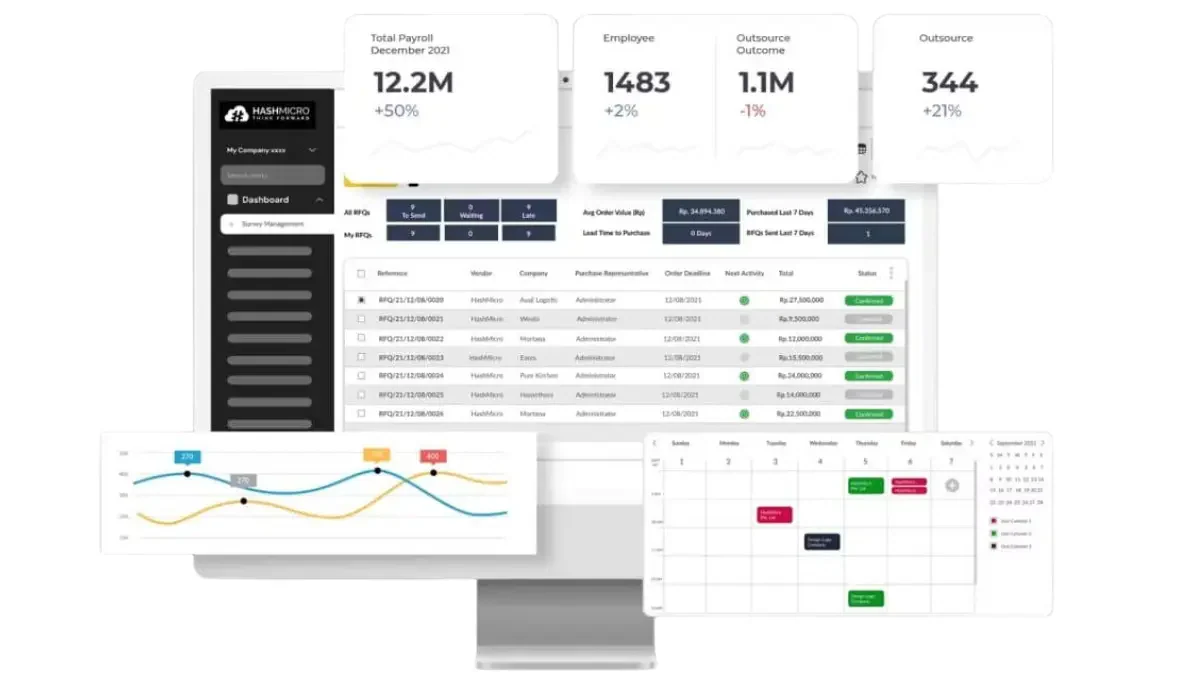
HashMicro wholesale distribution software is built to help businesses streamline and control their distribution operations with greater accuracy. Trusted by various industries in the Philippines, it centralizes key processes such as order management, inventory tracking, delivery monitoring, and customer relationship management—providing real-time visibility across the entire distribution workflow.
Its seamless integration with accounting, finance, and procurement systems enables smoother coordination and stronger operational efficiency. The software also optimizes warehouse space, organizes stock more effectively, and supports a wide range of wholesale setups, including perishable and non-perishable items, making it a flexible and scalable solution for growing distributors.
Features of HashMicro wholesale distribution software:
Picking and Packing Automation: Automates selecting and packaging products in a warehouse, increasing efficiency and reducing human error.
Monitor Stock Movement: Tracks inventory flow in real-time to ensure accurate stock levels and prevent shortages or excesses.
Inventory Level Optimization: Analyzes demand and supply trends to maintain optimal stock levels, minimizing carrying costs and avoiding stockouts.
Stock Optimizer: Uses algorithms to predict and manage inventory needs, improving the availability of products and reducing surplus.
Sales and Order Management: Manages the entire sales process from order receipt to delivery, enhancing customer service and operational efficiency.
Integration with Other Systems and Modules: Facilitates seamless communication between software systems and modules, improving data accuracy and workflow efficiency.
HashMicro is the best option for Filipino enterprises looking for all-inclusive, tailored, and scalable wholesale distribution software.
Why we pick it: HashMicro enhances distribution efficiency through advanced picking and packing automation, reducing errors and increasing speed. The software’s real-time monitoring of stock movements ensures optimal inventory levels, preventing overstock and stock shortages.
Pros
Cons
Unlimited user license
User-friendly interface for each device
Accessible on any device
Customizable and scalable
Comprehensive features
Can integrate with various modules and systems
Complex features that are not suitable for smaller businesses
Experience how HashMicro transforms your distribution workflow, try the free demo today.
HashMicro offers the most complete wholesale distribution solution with end-to-end integration, strong customization, and scalability suited for growing Philippine distributors.
Ricky Halim, B.Sc., Managing Director
2. SAP Distribution Software
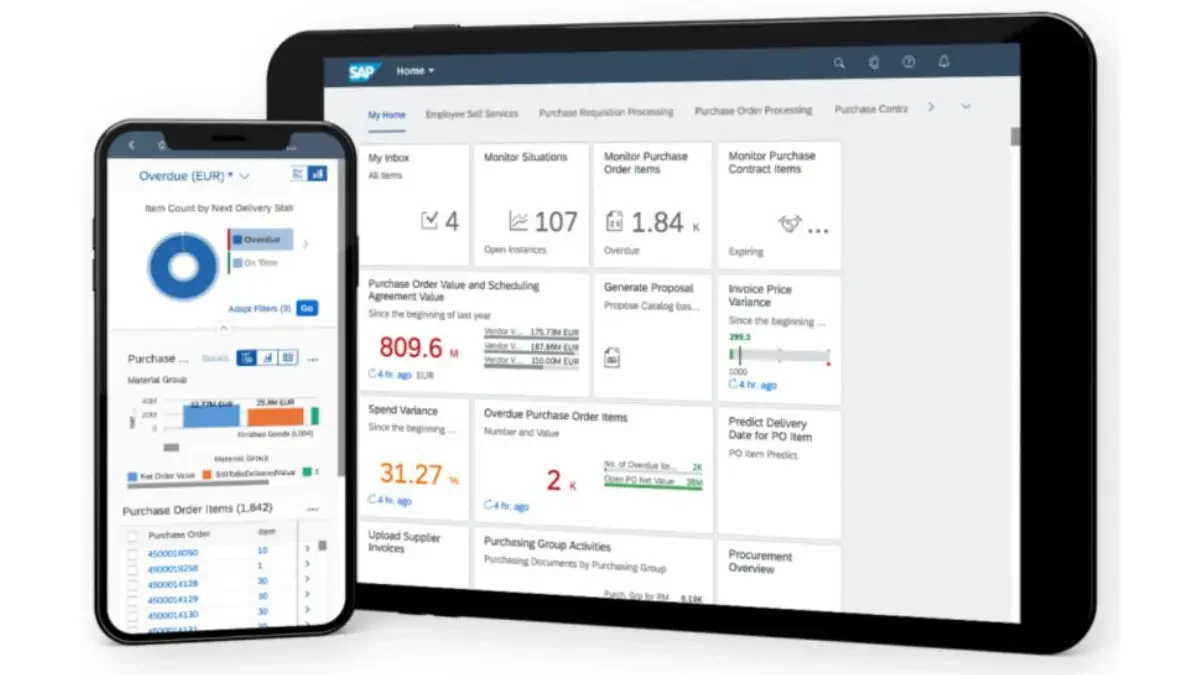
SAP, a wholesale distribution Management in the Philippines helps wholesale distributors respond and adapt quickly to sudden changes in the market or industry. It achieves this with real-time data analysis that gives you insights into inventory, demand, and more so you can better plan inventory and serve customers.
Features:
Automation control
Supply chain management
Storage and internal process control
Pros
Cons
Comprehensive functionality
Strong integration capabilities
Scalability for growth
Complex implementation
High cost of ownership
Steep learning curve
Potential for customization challenges
Reliance on SAP expertise
Suitable for: Businesses involved in wholesale distribution that need to stay agile in a fast-changing market.
SAP delivers powerful enterprise analytics, but its high cost and complexity reduce flexibility for many local distributors.
Ricky Halim, B.Sc., Managing Director
3. Oracle NetSuite
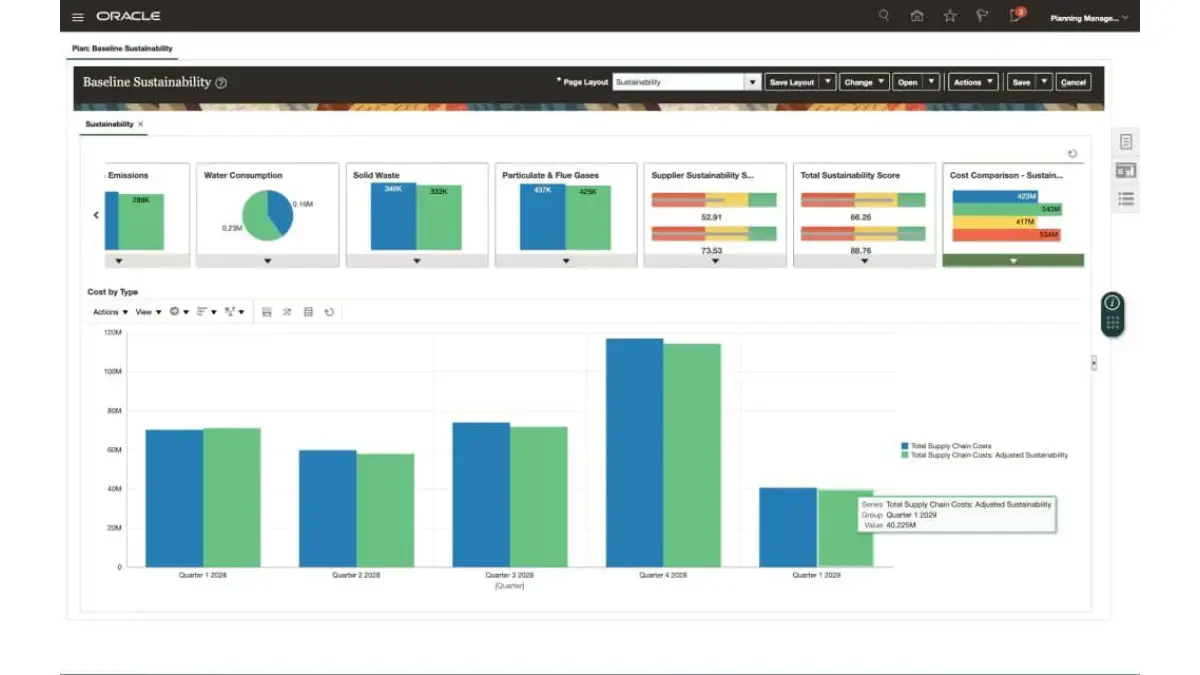
NetSuite is one of the wholesale distribution software in the Philippines. It is popular among the manufacturing, logistics, and transportation industries because it improves product tracking and traceability.
Its real-time supply portal ensures compliance with industry regulations and enhances business process transparency by monitoring data deviation and inventory movement.
Features:
Barcode assignment
Shipping labels
Warehouse activity dashboard
Inventory management
Pros
Cons
Scalable
Flexible
Easy to use
Steep learning curve
Limited customization
Integration issues
Vendor lock-in
Suitable for: etSuite is most suitable for wholesale distributors, manufacturers, logistics providers, and transportation companies in the Philippines looking to enhance inventory management, improve product traceability,
Oracle NetSuite provides solid cloud ERP capabilities, though limited customization and vendor lock-in can restrict adaptability.
Ricky Halim, B.Sc., Managing Director
4. SYSPRO Distribution Software
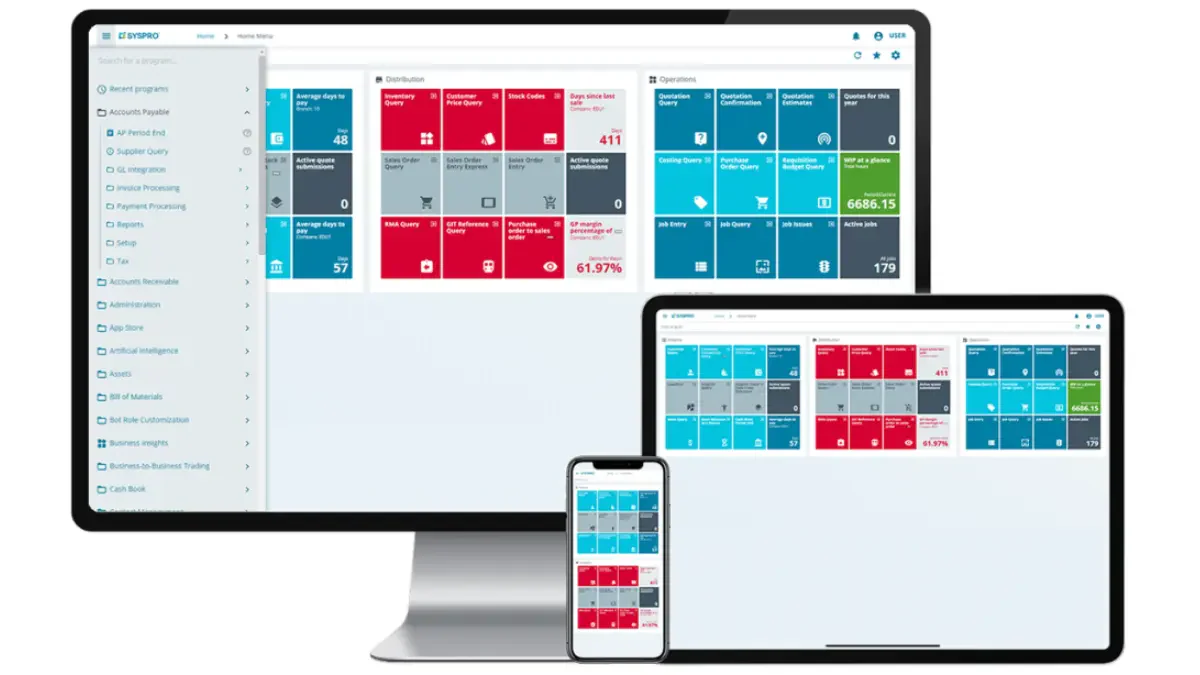
SYSPRO is an ERP solution that also serves as wholesale distribution Management system in the Philippines. Its strong features, like purchase orders, make purchasing and receiving processes simpler and more accurate. Automating order processing saves time, reduces errors, and boosts customer satisfaction.
Features:
Order management
Supply chain management
Inventory control
Warehouse and financial management
Container tracking application
Pros
Cons
Comprehensive features
User-friendly application
Customizable reports
Integration challenges
Limited customization
Basic inventory management features
Suitable for: SYSPRO is well-suited for businesses in the manufacturing, distribution, and logistics sectors.
SYSPRO supports core distribution needs reliably, but lacks the depth required for fast-scaling inventory and warehouse operations.
Ricky Halim, B.Sc., Managing Director
5. Acumatica
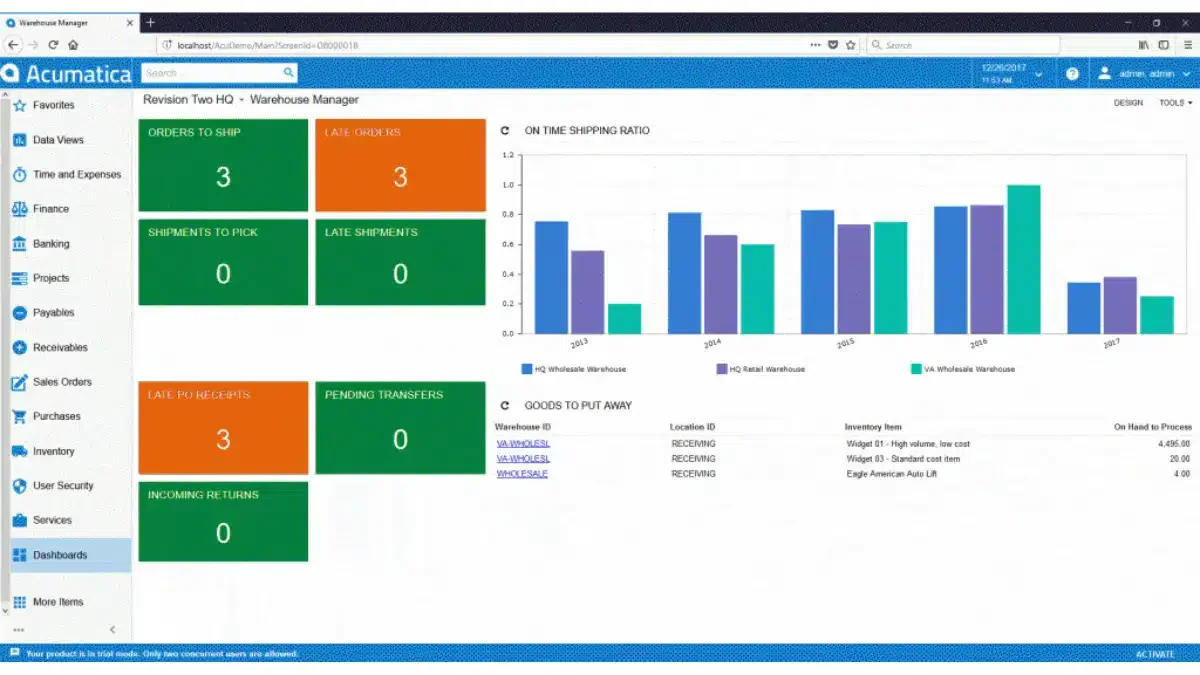
Acumatica is a cloud-based ERP system for the wholesale distribution industry to help grow and serve customers better. Using the acumatica system as your main information hub, you can simplify and coordinate automation across different workflows. This includes automating essential warehouse tasks like picking, packing, and shipping, which can improve your facility’s performance.
Features:
Mobile app
Comprehensive distribution suite
Inventory, order, and warehouse management
Commerce connectors
Pros
Cons
Streamlined order management
Simplified item management
Easy integrations
Limited features for wholesale distribution
Limited mobile capabilities
Users have reported issues with customer support
Suitable for: It is particularly beneficial for businesses that want to improve warehouse performance, automate order processing,
Acumatica offers flexible cloud automation, yet its wholesale features and support maturity remain limited.
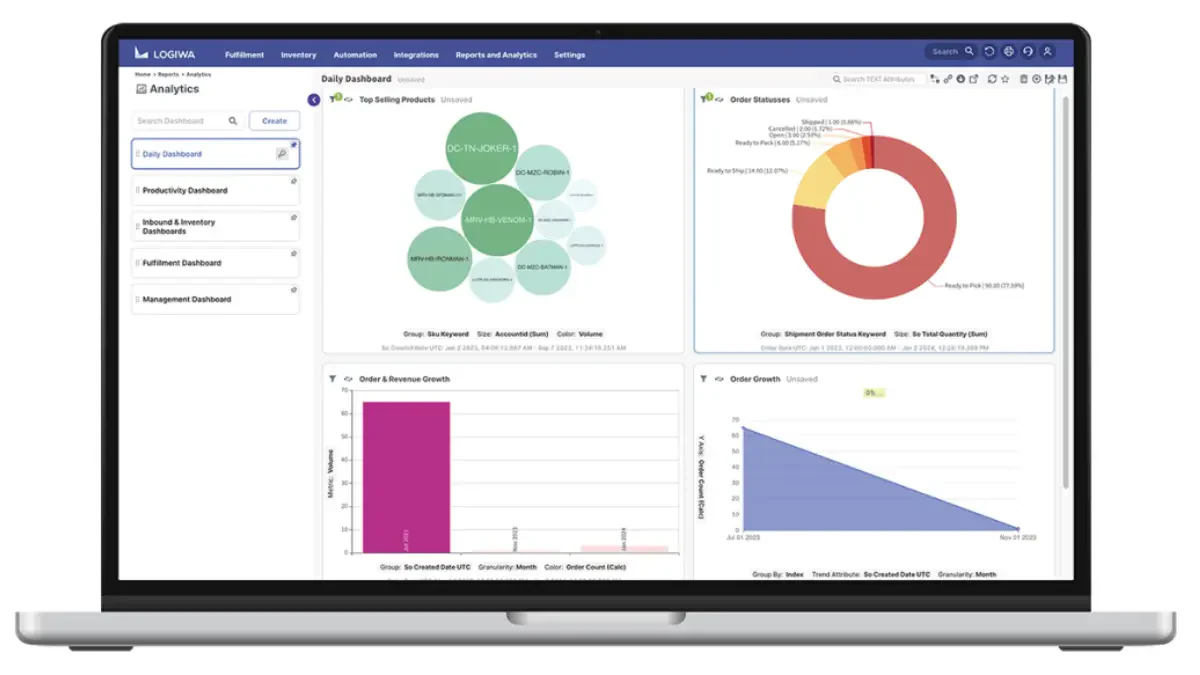
Logiwa, as software for wholesalers, offers a comprehensive solution to streamline and optimize wholesale distribution processes. This all-in-one solution facilitates and automates tasks ranging from receiving and storage to fulfillment and shipping.
Features:
Inventory visibility and control
Storage optimization
Smart automation
Scalable and adaptable
Mobile app
Pros
Cons
Highly customizable
Easy to implement
Third-party logistics friendly
Limited out-of-box features
Poor user task management
The user interface is not user-friendly
Suitable for: Logiwa is a powerful software solution for wholesalers that optimizes and streamlines distribution processes, from receiving and storage to fulfillment and shipping
Logiwa works well for logistics-focused fulfillment, but limited out-of-the-box features and usability slow broader adoption.
Ricky Halim, B.Sc., Managing Director
7. Fishbowl Wholesale Distribution Software
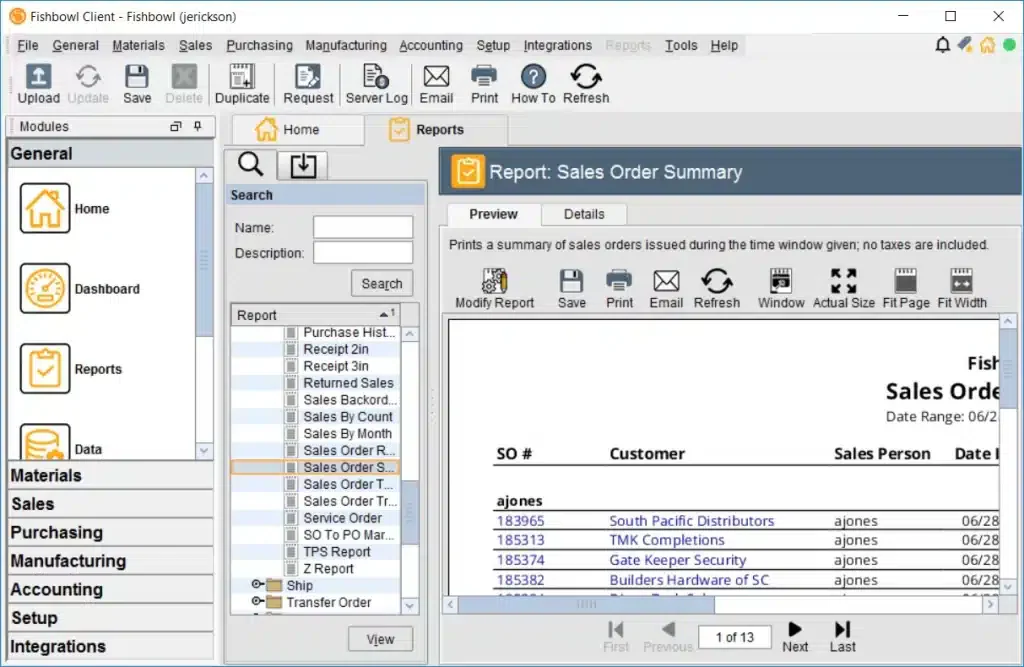
Fishbowl offers strong order fulfillment features to enhance your wholesale distribution management. For instance, you can use routing to speed up picking and improve accuracy. You can also automate documentation to create packing slips, bills of lading, and invoices.
You can choose between an on-premise solution (Fishbowl Advanced) or a cloud solution (Fishbowl Drive) based on your preferences and budget.
Features:
Barcode printing and scanning
Shipping label printing
Order fulfillment management
Picking and packing automation
Pros
Cons
Inventory optimization
Easy order management
Maintain accurate inventory data
Not suitable for manufacturing companies
Outdated user interface
Integration challenges
Suitable for: Fishbowl is a comprehensive software solution that enhances wholesale distribution operations with its powerful order fulfillment features.
Fishbowl handles basic order fulfillment effectively, though outdated UI and integrations hinder long-term growth.
Ricky Halim, B.Sc., Managing Director
8. Brightpearl Wholesale Software
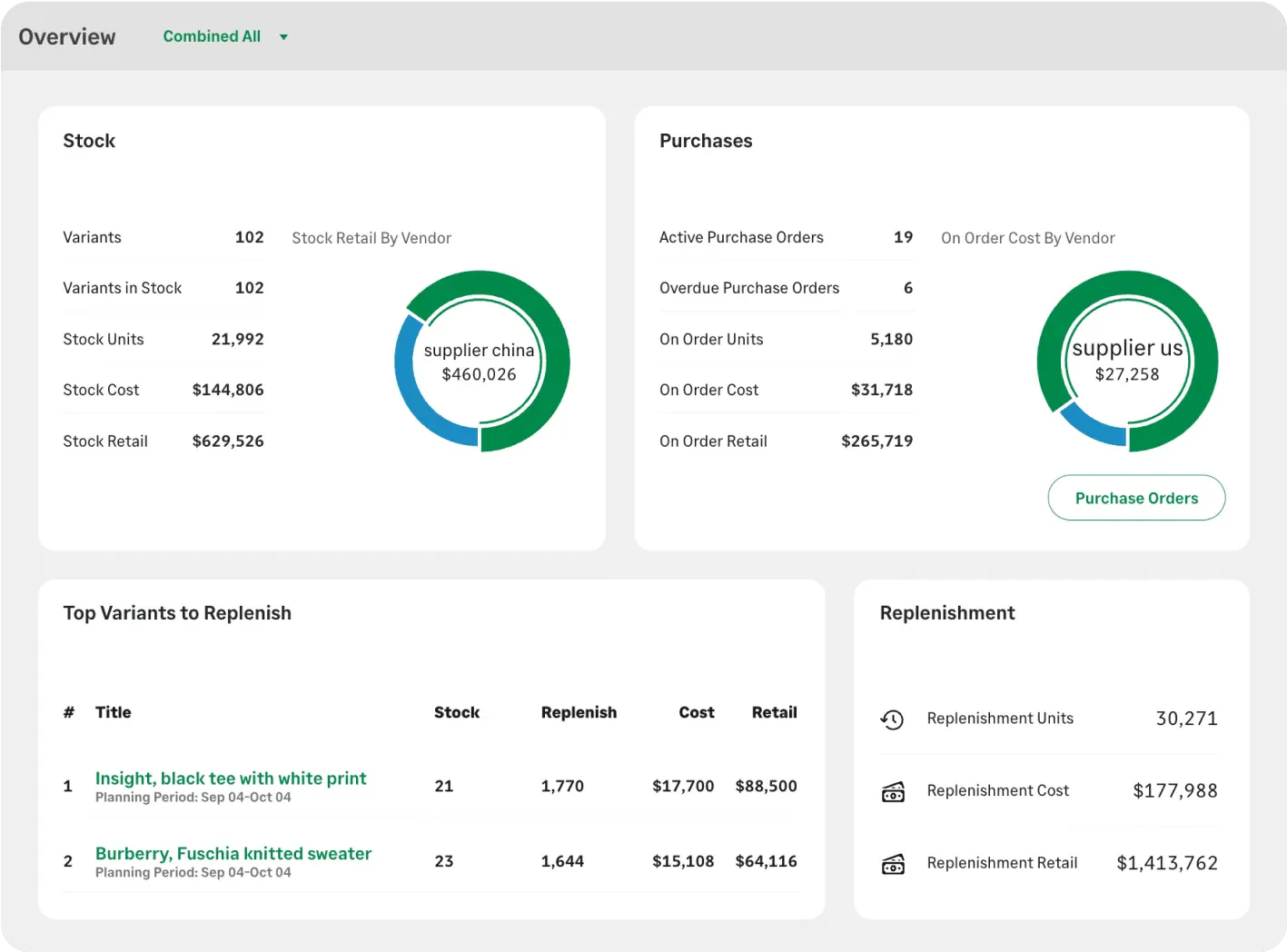
Brightpearl helps wholesale distributors by solving many of their current market challenges. It cuts labor costs by automating and streamlining warehouse operations and reducing paperwork and confusion. It handles and monitors all warehouse processes in one place.
Features:
Configurable warehouse workflows
Barcode driven fulfillment
Plug-and-play integrations
Order fulfillment automation
Pros
Cons
Good inventory management
A centralized platform to manage processes
Some features are not fully automated
Lack of onboarding support
Complicated data storage
Suitable for: Brightpearl is suitable for wholesale distributors looking to reduce labor costs, eliminate paperwork, and improve accuracy in warehouse operations.
Brightpearl reduces warehouse labor through automation, but incomplete workflows and onboarding can affect efficiency.
Ricky Halim, B.Sc., Managing Director
9. Method
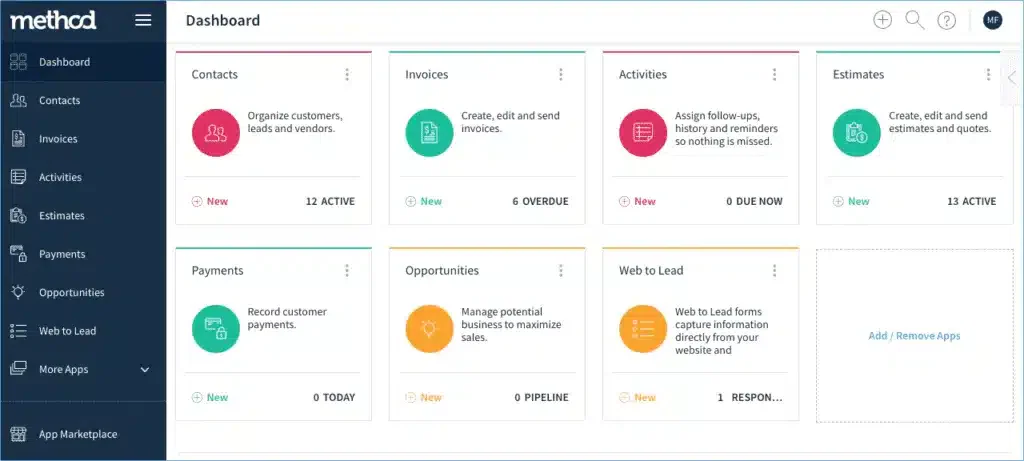
Method is a wholesale distributing software in the Philippines. It is great for businesses and offers a 360-view of customers and suppliers. This means you can easily collect contact information, schedule follow-ups, assign employees, and generate invoices faster. Method also connects with Gmail, Mailchimp, and Outlook.
Features:
A complete view of customers and suppliers
Integration with tools like Gmail and Outlook
Contact management
Email management
Reporting and analytics
Pros
Cons
Integration with Outlook
Allows customization
Saves time to manage leads
Does not provide inventory and warehouse management
Cannot integrate with existing inventory software
Limited features for tracking stocks
Suitable for: Method is an excellent wholesale distribution software solution in the Philippines, perfect for businesses seeking a comprehensive 360-view of customers and suppliers.
Method excels in customer management, but functions more as a CRM add-on than a full distribution system.
Ricky Halim, B.Sc., Managing Director
10. TradeGecko
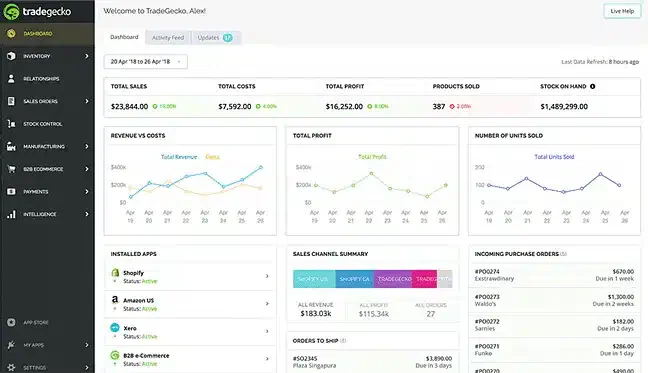
TradeGecko is a solution for those seeking a blend of inventory management, business intelligence, and online commerce. It includes a built-in B2B eCommerce platform that acts as a distribution center for direct selling. TradeGecko integrates with popular wholesale tools, and it connects with major e-commerce platforms such as Amazon, Bigcommerce, and Shopify.
Features:
Demand forecast
Warehouse routing
Inventory management
Order management
Reporting and analytics
Pros
Cons
Full inventory control
Integrations with e-commerce solutions
Mobile app available
Lacks point of sale (POS) support
Does not support dropshipping
Not designed for the manufacturing sector
Suitable for: TradeGecko is an ideal solution for businesses seeking a powerful blend of inventory management, business intelligence, and online commerce.
TradeGecko is strong for B2B eCommerce wholesalers, yet lacks POS and manufacturing support for wider operations.
Ricky Halim, B.Sc., Managing Director
11. Sage Distributor Management System
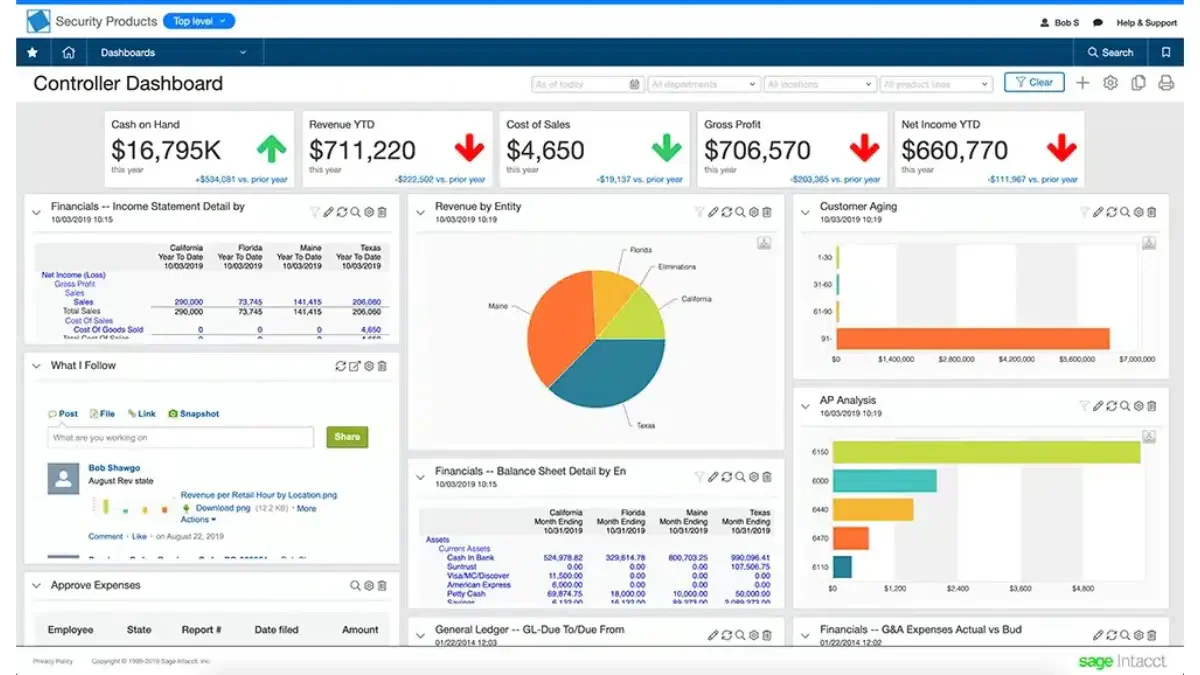
Sage helps you manage multiple warehouses and resources efficiently. You can add all your locations, including international operations and currencies, and easily consolidate financials for each location. This allows you to make better purchasing decisions and improve overall performance using accurate sales and inventory data.
Features:
Stock controls
Traceable stock
Work order calendar
Real-time visibility into orders, invoices, and shipment
Pros
Cons
Intuitive user interface
Simplifies workflow
Easy to track purchases and distributions
Overseas customer support
Software quality depends on resellers
Lack of onboarding support
Suitable for: Sage is a powerful software solution designed to help businesses manage multiple warehouses and resources efficiently.
Sage manages multi-warehouse finance well, though reseller dependency can impact implementation consistency.
Ricky Halim, B.Sc., Managing Director
12. QuickBooks Wholesale Software
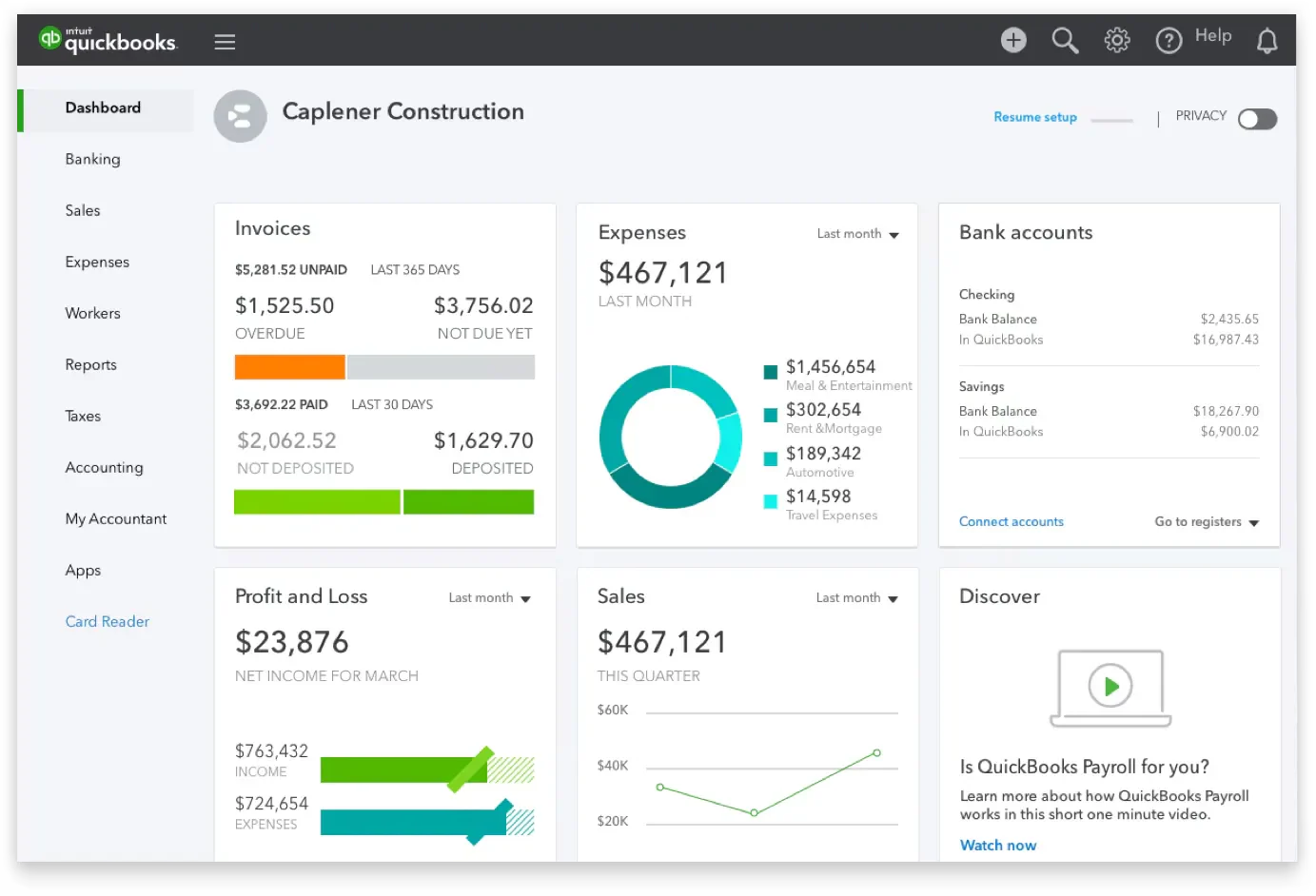
QuickBooks provides a robust cloud-based platform for small and medium-sized wholesale and eCommerce businesses. It allows for comprehensive tracking and management of key business metrics, including account balances, orders, and payment histories, facilitating enhanced decision-making and operational control. Additionally, QuickBooks Commerce leverages integrated sales and inventory data to simplify and improve order processing efficiency.
Features:
Order Fulfillment
Multichannel Inventory Management
Customer Relationship Management
Accounting and Report Management
Pros
Cons
User-friendly interface
Streamlined operations
Effective tracking of purchases and sales
Limited international support
Dependence on reseller quality
Insufficient initial training support
Suitable for: QuickBooks is a great solution for wholesale distributors and eCommerce businesses looking to improve operational efficiency while keeping a close eye on their financial health.
QuickBooks suits small distributors focused on accounting, but struggles to scale with complex distribution workflows.
Ricky Halim, B.Sc., Managing Director
13. Wholesale Suite Distribution Management
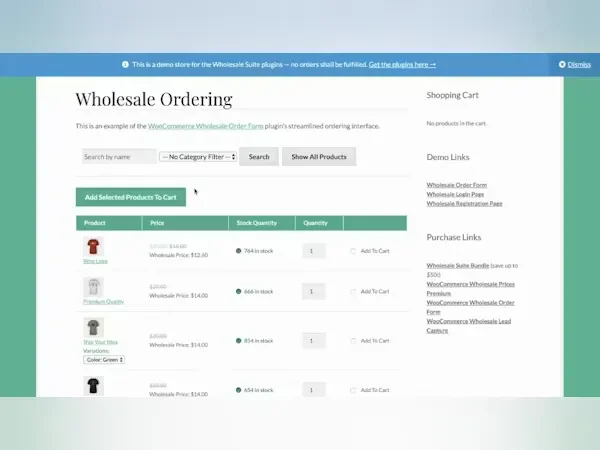
Wholesale Suite is a comprehensive, user-friendly solution for bringing wholesale operations online within the WooCommerce framework. Designed to simplify wholesale transactions, this plugin enables users to set specific wholesale prices bulk discounts, and establish additional user roles tailored to wholesale operations.
Features:
Wholesale Pricing Management
Product Visibility Control
Custom Wholesale Registration Form
Flexible Payment Options
Pros
Cons
An intuitive interface enhances the user experience.
Customizable B2B registration form for efficient lead capture and management.
Automated lead approval and engagement processes
Primarily tailored to WooCommerce, it is limited to users of this platform.
It may require frequent updates to maintain compatibility with WooCommerce updates.
The complexity of features might require a learning curve for new users.
Wholesale Suite supports WooCommerce-based wholesale pricing, but remains limited beyond the eCommerce environment.
Ricky Halim, B.Sc., Managing Director
How to Choose the Best Wholesale Distribution Software
Looking at different wholesale software options can be a lot, especially for industries specializing in wholesale distribution management system in the Philippines. Even though these systems all want to make managing a business easier, they each have their special features. Here are some tips to help you pick the best software for your wholesale distribution business:
Setup: Decide between on-premise or cloud-based software. Cloud-based options are popular for their accessibility and future adaptability.
Budget: Consider whether the software charges monthly or requires a one-time fee. Additional users and features may cost extra.
Scalability: Choose software that can grow with your business. Look for different tiers that offer more features as you expand.
Customer Support: Select a supplier that offers efficient customer service. This can help minimize downtime and prevent data loss during implementation.
Integration: Look for software that integrates smoothly with other systems like accounting and communication tools for better efficiency.
User Reviews: Check user feedback to understand how the software functions in real-world scenarios. This can help you identify its strengths and weaknesses.
Which Type of Distribution ERP Software Do You Need?
1. Small Business Distribution Software
Small business distribution software is designed for emerging companies that need a simple, cost-effective solution. These tools are straightforward and easy to use, perfect for businesses that don’t require complex modules. Key features include:
Basic inventory management
Order processing
Customer management
Due to their simplicity, these systems are quick to implement and don’t require extensive training.
2. Mid-Sized Distribution ERP Software
Mid-sized companies face more challenges, like higher customer expectations and the need for more advanced supply chain management. Mid-sized distribution ERP software fills the gap between basic systems and full-scale enterprise solutions. Advanced features include:
Detailed analytics
Multi-warehouse functionality
Extensive integration options
This type of software supports a company’s growth, ensuring it remains scalable without outgrowing the system too quickly.
3. Enterprise Distribution ERP Software
Large businesses have complex needs, and enterprise distribution ERP software is built to manage and synchronize these sophisticated operations. Key features include:
Global supply chain oversight
Advanced financial management
CRM system integration
Enterprise ERPs offer excellent scalability, with capabilities that span across departments and countries. They support multi-currency and multi-language needs. While these systems come with higher costs and a steeper learning curve, they are unmatched for large-scale operations.
Conclusion
Choosing the best wholesale distribution management is key to running your business smoothly. The perfect software helps you manage inventory better, process orders faster, and keep your customers happy by getting their orders on time—especially when navigating the differences between wholesale vs retail operations.
For businesses in the Philippines, HashMicro is the top choice. It’s designed for the local market, making it a perfect fit. HashMicro offers powerful features, excellent support, and the ability to grow with your business.
With HashMicro, you’re not just buying software; you’re investing in a tool that will help you lead in your market and achieve your business goals. Register for a free demo now if you want to see how HashMicro can help your business.
FAQs Wholesale Distribution Software
What is wholesale distribution software?
Wholesale distribution software is a specialized tool designed to help businesses manage the processes involved in the wholesale distribution industry. It typically includes features for inventory management, order fulfillment, supply chain management, customer relationship management (CRM), and financial tracking. The software streamlines operations, reduces errors, and increases efficiency by automating tasks like order processing, inventory tracking, and reporting. It enables wholesalers to manage large volumes of orders, maintain stock levels, and ensure timely deliveries to customers.
What is the best software for a wholesale business?
The best software for a wholesale business depends on the specific needs and scale of the company. Some of the top choices for wholesale businesses include:
– HashMicro: Great for large businesses, providing comprehensive ERP features.
– TradeGecko (now QuickBooks Commerce): Ideal for small to medium-sized businesses, offering strong inventory and order management.
– Acumatica: Known for its cloud-based features, scalability, and integration capabilities with eCommerce platforms.
What is a wholesale distribution model?
A wholesale distribution model refers to the method in which wholesale distributors purchase large quantities of goods from manufacturers and distribute them to retailers or other businesses. There are several types of wholesale distribution models, including:
– Merchant wholesalers: They take ownership of the goods, sell them in bulk, and manage inventory.
– Agent or broker wholesalers: They facilitate transactions between manufacturers and retailers without taking ownership of the products.
– Drop shipping: The wholesaler doesn’t hold inventory but instead passes on orders to manufacturers or other wholesalers who directly ship the products to customers.
What is a wholesale distribution?
Wholesale distribution is the process of purchasing goods in bulk directly from manufacturers and selling them to retailers, other distributors, or sometimes directly to end customers, typically at a markup. Wholesale distributors act as intermediaries, facilitating the movement of products from producers to retailers or other businesses. This model allows wholesalers to leverage economies of scale, reduce costs for their customers, and maintain inventory for faster product availability.
Daniel Garcia is an industry specialist with experience analyzing business operations across retail, manufacturing, construction, distribution, and service-based industries in the Philippines. His work focuses on connecting industry trends with real operational needs and system requirements.
Ricky Halim is a technology and business development professional focused on driving innovation in enterprise solutions. With extensive experience in product management and growth strategy, he has played a key role in positioning HashMicro as a leading ERP solution provider in Southeast Asia by aligning intelligent systems with modern operational needs.
HashMicro follows strict editorial standards and uses primary sources such as regulations, industry guidance, and trusted publications to keep content accurate and relevant.